


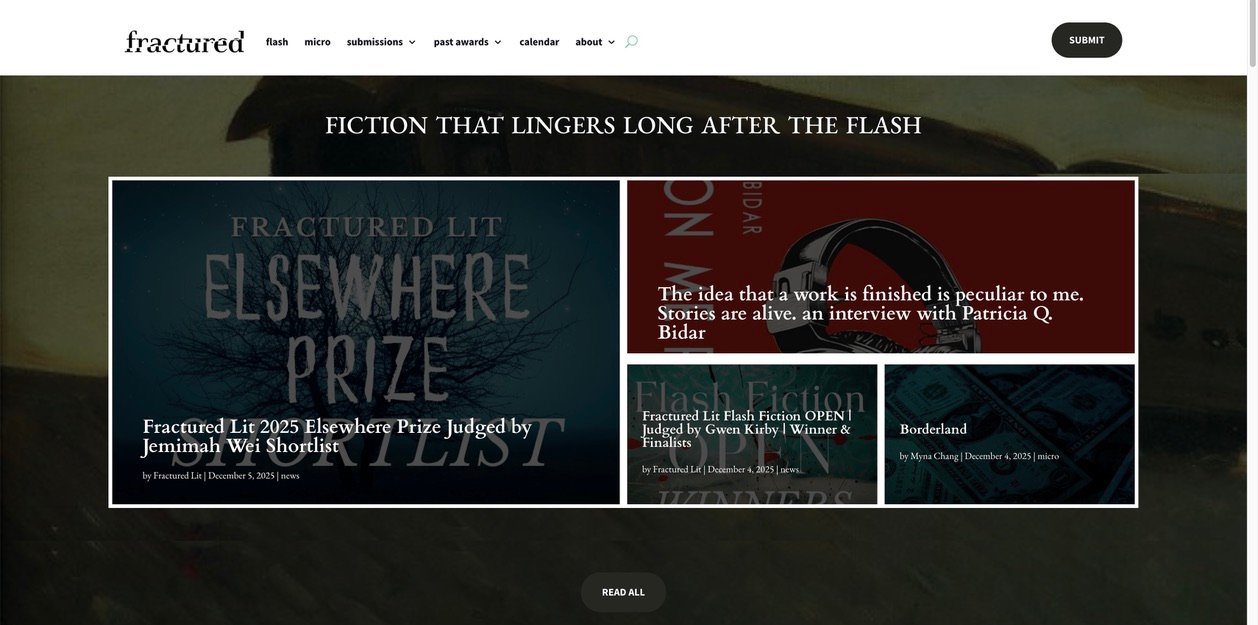
Guide: How to Write for Fractured Lit (A Beginner-friendly, Step-by-Step Playbook)
This guide explains, in clear steps, how to prepare micro and flash fiction for Fractured Lit, submit via their form, and improve your chances of being published — even if you’re new to tiny fiction. It also covers how Fractured Lit pays, where to build samples, contest opportunities, and a complete pre-submission checklist.
Use the included templates, sample lines, and links to help you write a strong submission and earn money from your short pieces. The official submissions page is here: Fractured Lit — Submit.
Section 1 · What Fractured Lit is
Who Fractured Lit publishes and why
Fractured Lit is a dedicated online magazine focused on tiny fiction — micro and flash — that prioritizes emotional resonance, strong action, and stories that linger. They publish short fiction that uses compressed language to deliver complete, often bruising, narrative moments. Their audience includes readers who enjoy concentrated storytelling, editors and judges who look for craft and precision, and writers looking to build a portfolio of short-form fiction.
The site runs regular publication cycles (new pieces featured on set days) and operates contests and prizes at various times during the year. They accept submissions from writers of all backgrounds and experience levels. Refer to their main pages for the most current announcements and contest dates.
Section 2 · What they accept
Micro vs Flash: clear word limits and expectations
Micro fiction at Fractured Lit is short, razor-sharp storytelling. Keep it to the word limit published on their guidelines — typically up to 400 words. Micro pieces rely on implication, a single strong image or moment, and a satisfying emotional or ironic turn.
Flash fiction at Fractured Lit runs a bit longer than micro: traditionally up to 1,000 words (401–1,000). Flash gives you more room for a small arc, an expanded scene, or a compressed sequence of events.
| Category | Typical Word Count | What to focus on |
|---|---|---|
| Micro | ≤ 400 words | One powerful image or twist; strict compression |
| Flash | 401–1,000 words | Small arc, clear stakes, tight language |
Section 3 · Pay & submission mechanics
How Fractured Lit pays and how to submit
Fractured Lit pays professional rates for original work. They typically pay a flat fee per accepted piece — a straightforward way to earn for each published micro or flash. Check their submissions page and Submittable listing for the current payment details before submitting.
Fractured Lit has publicly listed payments for micro and flash submissions. Payment is made per accepted piece and ranges in fixed fees depending on category. See their Submittable page for specifics and any contest prize payouts.
The primary submission method is the Submittable manager linked from their site. They prefer Submittable entries (not email). Follow the Submittable prompts carefully — include title, word count, and a short bio when requested.
| Thing | Practical note |
|---|---|
| Payment | Flat fee per accepted piece — check Submittable for up-to-date amounts |
| Method | Submit via Submittable (avoid email submissions unless a call specifically asks for it) |
| Simultaneous submissions | Allowed; if accepted elsewhere, withdraw immediately |
Section 4 · How to craft standout micro & flash
Concrete craft advice (with quick exercises)
Begin at the moment of change
Start your story in the middle of a decisive action or revelation. Tiny fiction thrives when a single moment implies a larger life. Practice: write a 100-word scene where a character decides to open a box they’ve avoided for years.
Use friction to reveal character
Conflict can be tiny — a misread glance, a failed transaction, a moment of shame. Let that friction reveal who the character is. Exercise: turn a small social embarrassment into a 250-word flash with a twist.
Trim all excess language
Micro fiction succeeds by omission. Remove every line that doesn’t push the image, emotion, or implied backstory forward. Edit to lose sentences you are emotionally attached to if they don’t earn space.
End on a hinge, not a summary
Finish with an action or image that changes the reader’s understanding; avoid simply summarizing what the story “means.” The last line should make the reader turn the piece over in their head.
Use specific sensory detail
Even a single scent or sound can anchor a tiny story. Choose one sensory detail and let it carry emotional weight across the piece.
Read like an editor
Before submitting, read aloud. Check clarity, cadence, and whether the ending lands. Time your reading: a micro should feel complete in a short breath; a flash should not drag.
Section 5 · Practical submission SOP
Step-by-step: from finished draft to submission
Polish your piece until concise
Revise for precision. Cut adjectives that explain rather than show. Ask yourself: does each sentence push the moment forward?
Prepare a simple cover line / title
Many tiny pieces work with no title or a one-line title. If you use one, keep it evocative and short. Title isn’t the story — it frames it.
Create a plain text or Word file
Fractured Lit uses Submittable. Use the format they request (usually a single document). Include title and word count at the top, then the piece. Keep formatting minimal — double-spacing may be asked for in some calls.
Write a 1-line bio and optional cover note
Prepare a short third-person bio (1–2 lines). Cover letters are often optional — if used, keep them 1–3 sentences and don’t describe the story’s theme — let the work speak for itself.
Submit via the Submittable form
Open Fractured Lit’s Submit page and follow the Submittable link. Fill title, word count, paste story or attach file, and include bio. Confirm you selected the correct category (micro vs flash).
Track your submission & follow rules
Record the date of submission. Fractured Lit accepts simultaneous submissions, but you must immediately withdraw if your story is accepted elsewhere. Respect their exclusivity rules if contest calls require it.
Section 6 · Contests & prizes
How to use contests to fast-track visibility
Fractured Lit runs themed contests and prize calls (micro prize, flash open, anthology prizes, etc.). Contests often carry reading fees and larger cash prizes. These calls can provide high exposure and bigger payouts, but rules and fees vary by contest.
- Bigger prize money for winners and finalists.
- Dedicated judging and higher editorial attention.
- Publication plus a promotional push for winners.
Choose contests that match your voice and themes to maximize fit.
- Read past winners to understand the judge’s taste.
- Follow the entry rules exactly (formatting, word counts, file types).
- Check for fee waivers or BIPOC/underrepresented categories if you need them.
Section 7 · Rights, reprints & common questions
What rights you grant and how to repost later
Most literary magazines ask for first-publication rights or non-exclusive rights for online publication. Fractured Lit’s submission pages outline their rights policy for both regular submissions and contest acceptances. If you plan to repost later on your site or for a print collection, ask the editor or check the contract: many outlets permit reposting after an agreed period, but not always.
- First publication rights: Magazine publishes first, author retains most other rights afterwards.
- Non-exclusive online rights: The magazine can host the piece online without exclusive claim.
- Reprints: Often allowed with permission (and usually without further payment).
- Can I repost on my site after X months?
- Will I receive a contract or email with rights language?
- Will publication include an author bio with a link to my site?
Section 8 · Sample cover line & templates
Short templates to copy, paste, and tweak
Title: “Fishing for Oranges” (350 words)
Bio: Jane Doe writes short fiction about family and small betrayals. Her work appears in small presses and several online journals.
Cover note (optional): Thank you for considering this piece. I’m including my brief bio above. I appreciate your time and reading.
Hello — I’m submitting “Fishing for Oranges” for your micro fiction category (350 words). The piece explores how small rituals both bind and unmoor families. If you need any additional info, please let me know. Thank you for your time.
Section 9 · Final pre-submission checklist
Use this before clicking submit
Section 10 · Resources & links
Quick links to help you learn more
- Fractured Lit — Submit (official page)
- Fractured Lit on Submittable — submission manager
- Current contest & prize pages — example: Micro Prize
- About Fractured Lit (editorial notes and values)
- Interview: On submissions with Fractured Lit (learn editor perspective)
- Duotrope listing for Fractured Lit (submission & payment summary)