


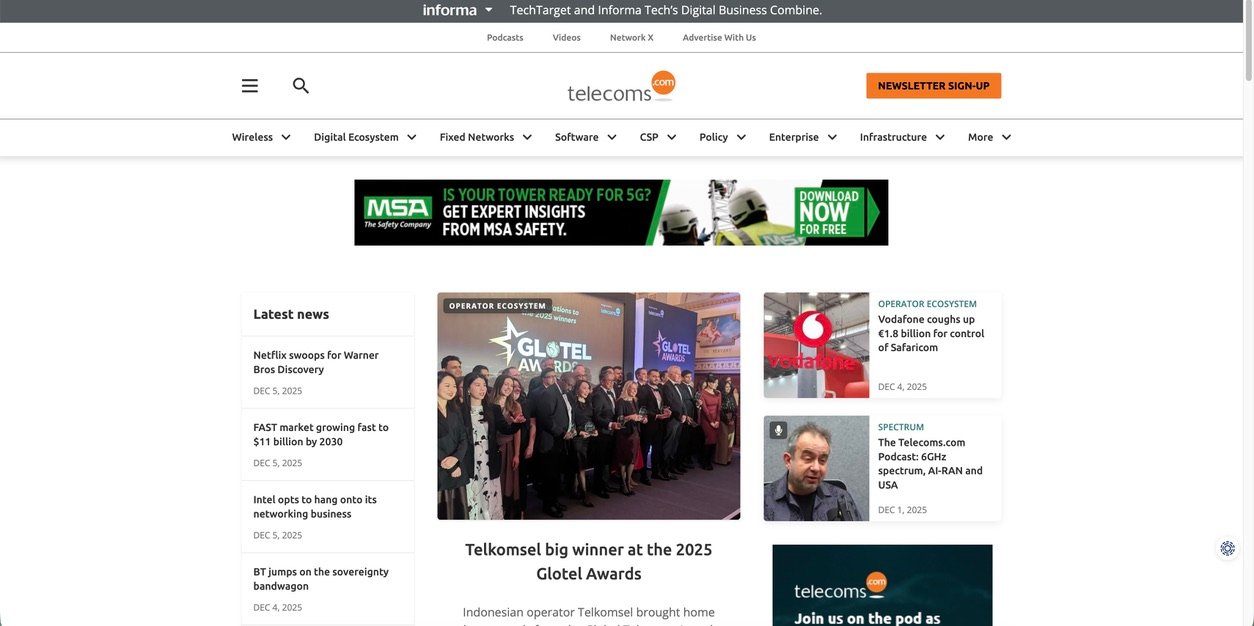
Guide: How to Write About Telecoms and Earn — Using Telecoms.com as Your Research & Publishing Launchpad
This guide walks a beginner through what Telecoms.com is, how to research topics, how to prepare publishable drafts, where to pitch or contribute, and practical ways to turn bylines into money. The content is step-by-step, practical, and built so you can start writing articles, guest posts or thought-leadership pieces with confidence.
Key starting pages we use: About Telecoms.com, the Meet the Team / Contact page, the Media Kit, and the site’s resource and author sections. These pages tell you who reads the site, what they cover, and how contributors appear on the platform. :contentReference[oaicite:0]{index=0}
Section 1 · Know the platform
What Telecoms.com is, who reads it, and why that matters
Telecoms.com is a specialist news and analysis website focused on the global communications industry — mobile operators, cable and fixed networks, satellite, cloud & colocation, vendors, and the ecosystem of services that sit on top of networks. It combines breaking news, interviews, analysis pieces and industry resources, making it a daily destination for professionals in telecoms. Knowing this helps you match your writing to its readers: business-focused, technically literate, and interested in practical outcomes. :contentReference[oaicite:1]{index=1}
Who reads Telecoms.com? Typically: operators’ staff (network, strategy, product), vendor teams, analysts, consultants, investors, and vendor marketing teams. These readers want concise news, data-driven analysis, and actionable ideas: how 5G private networks will affect enterprise sales, the economics of cloud-native core, or how AI impacts network automation. When you pitch or write, aim to answer what an industry professional would do differently after reading your piece.
Telecoms.com publishes:
- News: short, timely reports on deals, network launches, vendor contracts.
- Features & analysis: longer explainers and market context.
- Interviews & Q&As with industry figures.
- Podcasts, webinars and special reports (resources and white papers).
When researching, browse recent news, feature categories and the Resources hub to see tone and depth. :contentReference[oaicite:2]{index=2}
Telecoms.com lists its editorial team and contributors on a public page — useful when you need the right contact for pitching or clarifying editorial scope. Use the “Meet the Team / Contact” page to find editorial roles and appropriate channels for story ideas. :contentReference[oaicite:3]{index=3}
Tip: always open the team/contact page and the author pages before pitching — editors often prefer a concise pitch with a clear outline and a link to writing samples.
| Content on Telecoms.com | Why it matters to a writer |
|---|---|
| Breaking news | Good for short, well-sourced posts and reaction pieces; build visibility fast. |
| Analysis & features | Higher-value: longer reads, more prep, and better portfolio pieces. |
| Resources & white papers | Opportunity for deeper sponsored/research-driven content and collaborations. |
Section 2 · Picking topics that work
How to choose telecom topics — from news reactions to deep explainers
Start with the audience: operator execs, vendor product teams, analysts and consultants. These readers value practical insight. Good topic categories that perform on Telecoms.com include:
- Network technology explainers: 5G/6G, private networks, network slicing, Open RAN, cloud-native core.
- Market & business stories: M&A, operator strategy, pricing, enterprise monetisation.
- Vendor/product deep-dives: case studies, deployments, partner ecosystems.
- Ops & automation: AI for networks, observability, DevOps practices for telecoms.
- Regulation & policy: spectrum, net neutrality, cross-border data.
Three quick filters to test whether a topic works:
Timely + Actionable
If the topic is tied to a recent vendor announcement or regulatory change, you can write a short news reaction or explainer. Evergreen topics (e.g., “how Open RAN affects operations”) can be longer guides.
Bring evidence
Case studies, tests, demos, or interviews make a story stronger. If you only have theory, plan a mini-project or interview someone who has deployed the tech.
Outcomes over buzzwords
Readers ask: “Will this change my budget, my roadmap, or my hiring?” Frame your piece to answer a decision-maker’s question.
Section 3 · Build credible samples
How to prepare writing samples and evidence before you pitch
Editors at specialist sites value evidence and clarity. Before you contact Telecoms.com (or any trade publication), publish 2–4 strong samples that demonstrate you can explain complex telecom concepts clearly and add value.
Recommended places for early samples:
- Your own blog (easy to control formatting and host demos).
- LinkedIn articles (great for professional visibility).
- Industry-specific platforms that accept contributors (look for “guest author” or “contribute”).
- Medium or industry communities (if they reach the right readers).
- A clear headline and a one-sentence “what you will learn”.
- Short, scannable sections with subheadings and clear conclusions.
- Supporting evidence: data, vendor docs, links to trials, public reports.
- If possible — interview quotes or short case studies from practitioners.
- Contactable byline and a link to your LinkedIn/github/portfolio.
If you cannot produce original data, curate it: summarise operator reports, analyst notes, vendor whitepapers and link heavily to sources. Telecoms.com and similar sites expect links and references that let readers verify claims.
| Sample type | Why it helps |
|---|---|
| Short analysis (800–1200 words) | Shows you can explain a market move quickly — great for news-commentary pieces. |
| Feature / deep dive (1500–3000 words) | Flagship item that proves you can research and structure a long read. |
| Case notes / interview | Shows original sourcing and adds credibility to future pitches. |
Section 4 · Pitching & contribution workflow
Step-by-step plan: how to approach Telecoms.com and where to contribute
Telecoms.com does publish contributions from industry experts and guest authors; they maintain author listings and guest contributor sections. To approach them, follow this practical workflow.
Research the site and editors
Open the site’s About and Meet the Team pages. Note names, recent articles by editors or specific authors in your niche, and the editorial tone. This tells you how formal the voice should be and who to contact. :contentReference[oaicite:4]{index=4}
Pick the right channel: guest author vs sponsored insight
Telecoms.com runs both editorially-driven features and paid/sponsored content (see Media Kit). If your content is research-driven and neutral, pitch it as editorial. If it is vendor-sponsored thought leadership, discuss sponsored options with their commercial team. Use the Media Kit to understand reach and sponsored opportunities. :contentReference[oaicite:5]{index=5}
Write a tight pitch
Your pitch should be short, three parts:
- Hook (1–2 lines): Why this matters right now.
- What you’ll cover (3–6 bullets): Section headings or data points.
- Your credentials (1 line): links to 1–3 writing samples or your LinkedIn/GitHub.
Send via the right contact
Use the contact details on the Meet the Team or an editor’s author page. If Telecoms.com lists a guest contributor or submissions route, use that. Keep subject lines clear: “Pitch: [Short title] — 800–1500 word feature / sample linked”. :contentReference[oaicite:6]{index=6}
Be ready to edit and source
If an editor asks for changes, respond fast and provide sources for any claims. Be prepared to add quotes — editors often prefer direct commentary from operators or vendors for credibility.
Section 5 · How to actually make money
Practical monetisation routes for telecoms writing
Writing for industry publications can directly and indirectly earn you money. Direct routes: paid editorial commissions, sponsored content, and consulting work that arises from visibility. Indirect routes: freelance contracts that come from your byline, paid speaking, webinars, and lead-gen projects for your clients.
Some trade sites pay for features or accept sponsored “insight” pieces tied to a vendor’s research. Telecoms.com publishes commercial content via its media and sponsorship options (see Media Kit). If you’re creating sponsored work on behalf of a company, discuss pricing and disclosure with the commercial team. :contentReference[oaicite:7]{index=7}
A strong Telecoms.com byline can attract freelance writing gigs, analyst briefings, and corporate content contracts. Many writers use 2–4 high-quality trade pieces as “hero samples” for consultancy and content marketing work.
| Route | How to approach | Earnings profile |
|---|---|---|
| Paid editorial (commissioned) | Pitch a feature; if the editor accepts, negotiate a fee. | Varies by site — trade mags may pay flat fees or per-word. |
| Sponsored insight / thought leadership | Work with a vendor’s comms team or use the site’s sponsorship program. | Often higher than editorial fees; commercial contracts vary widely. |
| Freelance & consulting | Use bylines and LinkedIn to source clients. | Hourly/project rates — often more than article fees. |
Practical tip: Download Telecoms.com’s Media Kit to understand audience reach and sponsorship options before pitching sponsored pieces — that helps you and the client set realistic budgets. :contentReference[oaicite:8]{index=8}
Section 6 · Accuracy & editorial ethics
How to stay accurate, transparent and trusted
Reputation matters in telecoms journalism. Editors and readers expect verifiable claims, working figures, correct vendor/product names, and transparent disclosure of commercial relationships. If you use AI tools for drafting, edit heavily and verify every technical claim personally.
- Link to original sources (vendor docs, standards, regulator pages).
- Confirm quotes with named contacts where possible.
- Label paid content clearly (sponsored / commercial).
- Run numbers and reproduce tests before publishing claims about performance.
- Don’t invent customer case studies or invent numbers.
- Don’t submit AI-only drafts without visible expert checks.
- Don’t forget to disclose client-paid or sponsored relationships.
Section 7 · Micro-SOP (Quick pre-pitch checklist)
Copy this checklist before you send any pitch
Use this each time you pitch Telecoms.com or another trade outlet. It keeps you professional and reduces easy rejections.
Section 8 · FAQ & Resources
Answers to common beginner questions and a big resource list
- Homepage — Telecoms.com. :contentReference[oaicite:13]{index=13}
- About Telecoms.com. :contentReference[oaicite:14]{index=14}
- Meet the Team / Contact. :contentReference[oaicite:15]{index=15}
- Media Kit (sponsorship & reach). :contentReference[oaicite:16]{index=16}
- Resource Library & White Papers. :contentReference[oaicite:17]{index=17}
- Meet our writers / Author pages. :contentReference[oaicite:18]{index=18}
- 5G & 6G coverage
- AI in telecoms coverage. :contentReference[oaicite:19]{index=19}
- Podcasts & audio features. :contentReference[oaicite:20]{index=20}
- Telecoms Infrastructure topics. :contentReference[oaicite:21]{index=21}