


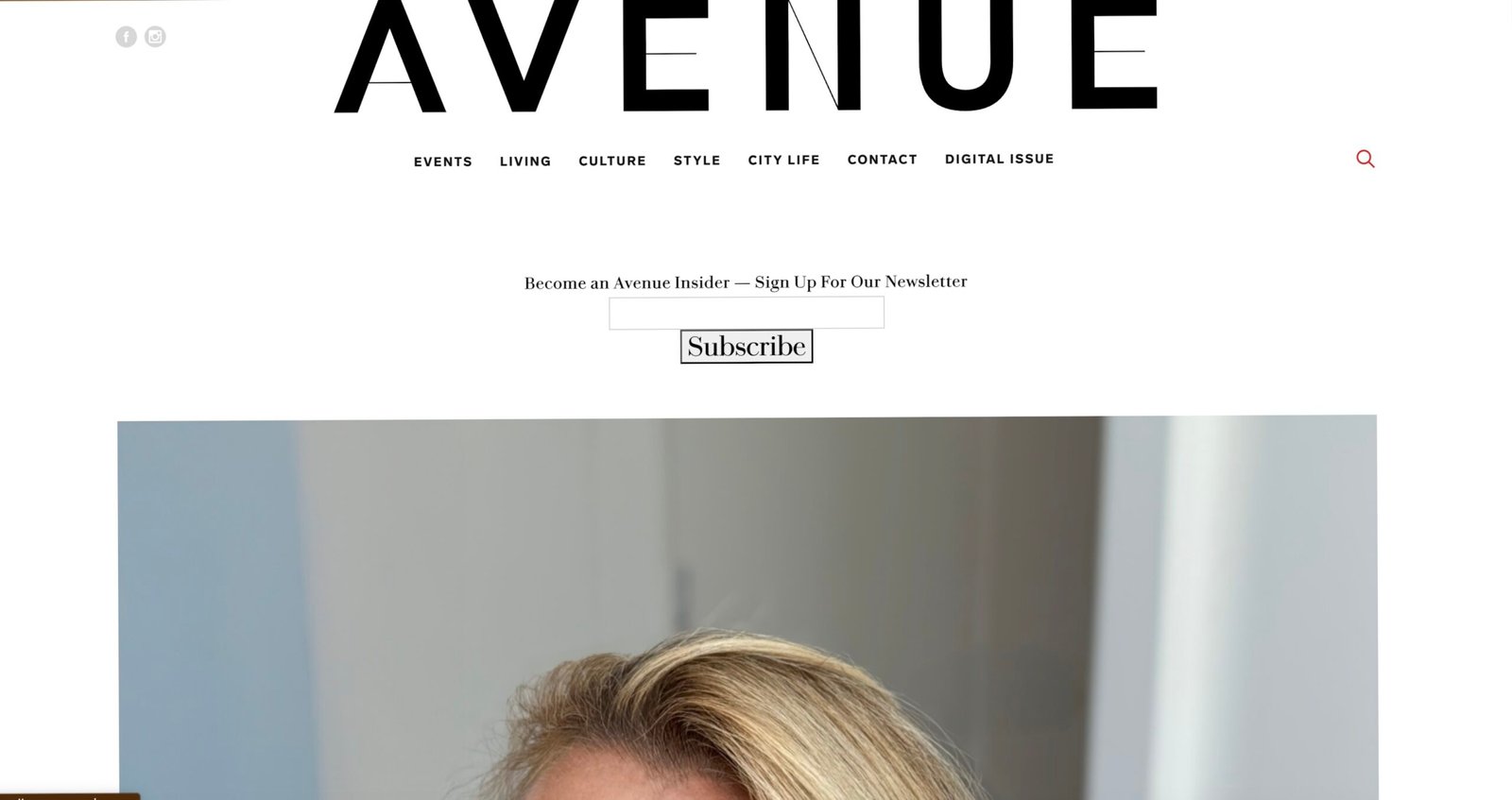
Guide: How to Pitch & Write for AVENUE Magazine — A Beginner’s Playbook
This practical guide shows you, step-by-step, how to research AVENUE Magazine, craft publishable ideas, assemble writing samples, pitch the appropriate editor, and increase your chances of paid work or assignments — even if you’re new to magazine features.
You’ll find: what the magazine covers, how to form story ideas that fit their tone, a simple email pitch template, an editing checklist, ethical rules for quotes & sourcing, and a long resource section with real links to help you learn fast.
Section 1 · Know the publication
What AVENUE Magazine publishes (short & useful)
AVENUE Magazine is a lifestyle and culture title with strong emphasis on fashion, profiles, travel, food & dining, events, and notable city personalities. Their editorial pages regularly run in-depth profiles, party and society coverage, destination features, lifestyle service pieces, and trend-led fashion and beauty shoots.
Where to check this yourself: open the homepage and the site’s contact/masthead pages to learn editorial leadership, beats, and the best email to use for pitches. Keep the contact or masthead page open while you craft your pitch.
- Profiles & interviews (artists, chefs, designers).
- Fashion features and shopping roundups.
- Destination & travel essays (luxury / city escapes).
- Food & dining: restaurant features, chef conversations.
- Event & society reporting (party roundups, philanthropic events).
Think: city-savvy, design- and culture-interested readers who care about curated style, dining, travel, and local high-culture scenes. Your tone should be polished, narrative-driven, and detail-rich — not pop-bloggy or listicle-first.
Section 2 · Fit your idea
Does your story idea match AVENUE’s voice and beats?
Before you write a full draft, apply three quick filters to your idea:
Is it about people, places, or design?
AVENUE favors human-centered stories: people (profiles), places (restaurants, hotels), events (benefits, launches), and design stories (fashion, interiors). If your idea is highly technical or niche (e.g., advanced server-side dev), it’s not a fit.
What’s the narrative or insider value?
Make your piece a narrative with reporting, original quotes, or exclusive access. Example angles: an under-covered chef’s seasonal approach to farm-to-table; a designer’s studio tour + process; a city festival’s cultural meaning, not only event listings.
Can it be photographed or styled?
AVENUE places a premium on imagery. Think about photographers, lifestyle images, location shots, and the permissions you’ll need. Offer to coordinate photography or supply high-res images / sources.
Section 3 · Build credibility
Three practical ways to make a convincing pitch
- Post clear, photographed pieces on your blog, Medium, or a local arts site.
- For profiles, show at least one published interview with good questions and clean quotes.
- For food/travel, include at least a photo or two and a short sidebar of sources.
- Local press, neighborhood magazines, or event pages are fine — editors want to see you can deliver published work.
- Link to a Google Drive or Dropbox folder with hi-res visuals if you have them.
- Collect contact info for your interview subjects and any PR reps.
Read recent AVENUE pieces in your beat (fashion, food, travel). Note recurring themes and avoid re-treading the same exact angle. Time your pitch: restaurants and hotels often plan coverage around launches or seasons; fashion is tied to shows and collection drops.
Section 4 · Exact pitch workflow
Email pitch plan — subject, short pitch, and attachments
Find the right contact
Start with the site’s contact page. For editorial queries, AVENUE lists editorial@avenuemagazine.com. If the masthead lists an Executive Editor or Deputy Editor, address your email to them by name in the first line to show you’ve done your research.
Subject line formula
Short + descriptive. Examples:
- Pitch: Profile — Chef [Name] on reinvigorating [Neighborhood]
- Pitch: Feature — How [Designer] Builds Sustainable Outerwear
- Pitch: Travel piece — 48 Hours in [City] with a design focus
Keep it under 70 characters so it fits in inbox previews.
Email body: 6-line template (concise)
Write a two-paragraph pitch — short, specific, and useful. Include: one-sentence hook, one-paragraph outline of sections and sources, examples of your credentials (links to clips), and your logistics (timeline, photographer, exclusivity).
Hi [Editor Name],

I’d like to pitch a feature for AVENUE: “[Headline idea]” — one-line hook that explains what makes this story fresh.

Outline: 1) lead + context (100–150 words), 2) interview/profile with [name], 3) reporting on setting/process/visuals, 4) practical takeaway or call-to-action.

Assets: I can supply a 800–1,200-word feature with 2–4 high-res images and a short sidebar. Clips: [link1], [link2]. I can have a full draft ready in X weeks and coordinate photography.

Thanks for considering — I’m happy to adapt the angle. Best,
[Your name] — [location] — [phone] — [portfolio link]
Attach & label files sensibly
Attach only what’s asked for: a one-paragraph pitch, an outline, and 1–2 clips. If you attach images, keep them under 5MB each and name files clearly (e.g., chef-lastname-1.jpg). Provide a Google Drive link for larger folders.
What to do after you send
Wait 10–14 business days. If no reply, send a short, polite follow-up referencing the original subject line. If still no answer after two tries, move on and pitch a similar angle elsewhere — reuse the reporting and images.
Section 5 · Money & rights
How to think about payment, rights, and negotiations
Many magazines negotiate per-assignment fees and sometimes offer buyouts for first serial rights. AVENUE does not publish a public “rates” page, so treat pay as negotiable and ask politely at assignment stage. Use your clips to justify a rate. If you’re offered a buyout, confirm whether it includes audio, web, and syndication rights.
- Ask about fee and payment terms before you start writing or signing an assignment.
- Confirm invoicing details (who to bill, email for invoices, tax forms).
- Request written details of rights: time-limited exclusivity is common; perpetual buyouts should have higher pay.
- Start with a polite range rather than a single number.
- Be willing to offer a slight exclusive window (e.g., two weeks) for a modest fee increase.
- If the editor can’t pay much, negotiate a clear right to republish on your portfolio after X months.
Section 6 · Ethics, sourcing & photography
Essential rules: attribution, permissions, and accuracy
- Confirm all quotes by email or recorded interview and keep evidence of permissions.
- Double-check dates, titles, and spellings — editors will flag errors.
- Credit sources and photographers exactly as requested.
- Don’t republish images without permission — get written rights for photos.
- If you shoot your own photos, provide full-res files and model/property releases when necessary.
- When working with PR-provided images, verify the embargo, usage restrictions, and captions.
Section 7 · Micro-SOP
Quick pre-pitch checklist (tick these before sending)
Section 8 · FAQ & resource vault
Answers to quick questions and a curated list of links (open these)
editorial@avenuemagazine.com. If you want to personalize, address the Executive Editor or Deputy Editor named on the masthead. Include the editor’s name in your first sentence. - AVENUE Magazine — homepage
- Contact & Masthead — editorial emails and masthead details
- An alternate masthead / staff listing (useful to see staff bylines)
- AVENUE on Instagram — study visuals & story tone
- AVENUE on Facebook — events & society posts
- AVENUE on LinkedIn — staff & company context
- Sample longform profile (study structure and voice)
- Sample travel feature (visual + narrative model)
- Who Pays Writers? — general pay research & expectations
- Dev.to (for tech-adjacent writers building samples)
- Medium (easy place to publish samples)
- Market research: pay notes and submission tips