


How to Research, Pitch, and Get Paid Writing for Design Anthology — A Beginner’s Guide
This long-form guide walks you, step-by-step, from understanding what Design Anthology wants through preparing sample work, crafting a tight pitch, submitting via their contributor portal, and reusing your published pieces to earn more. It includes practical templates, example email pitches, and a rich resource list so you can learn fast and act confidently.
Quick note: the guide references Design Anthology’s official editorial and submission pages so you can follow their rules exactly.
What Design Anthology publishes — tone, audience, and coverage
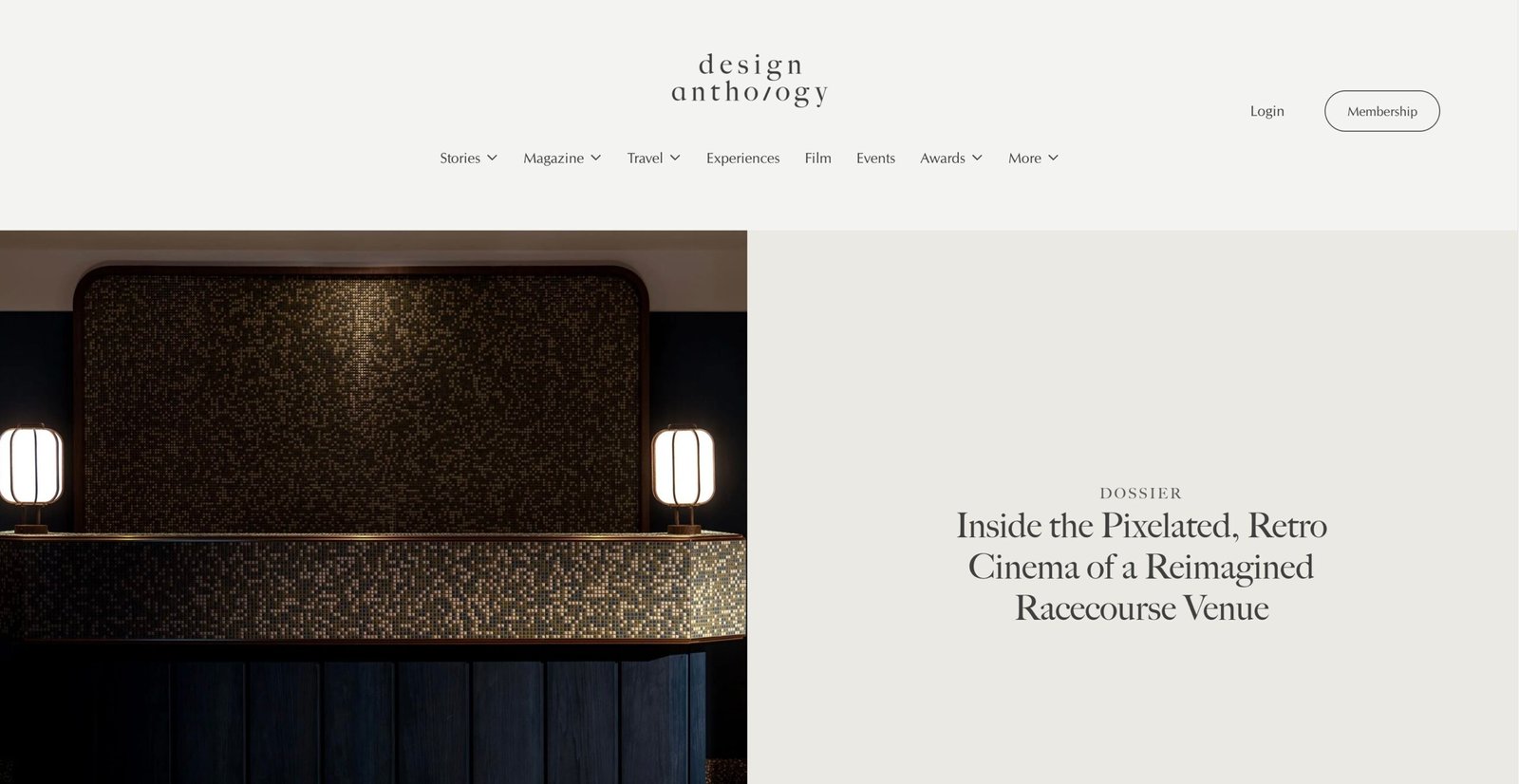
Design Anthology bills itself as a magazine that documents creative culture, with in-depth features on architecture, interiors, product design, travel with a design lens, art and the lifestyles of makers and design leaders across Asia Pacific and beyond. Their pieces are visual, curated and story-led, often focusing on people, places and the design context rather than raw how-to coding tutorials. :contentReference[oaicite:1]{index=1}
- Profile features — designers, studios, makers with an interesting process or body of work.
- Project write-ups — a well-documented building, hotel, home or product with images and credits.
- Trend & cultural essays — design directions, materials, craft movements in the region.
- Travel & place pieces seen through architecture & hospitality design.
- Studio visits, interviews and short columns offering insight rather than pure promotion.
Shortcut: If your piece is a thin press release or product launch, it will likely be rejected. Strong Design Anthology pitches are observational, human, and backed by access or original research.
Read their editorial guidelines & use the submission page
Design Anthology publishes an Editorial Guidelines page that explains their voice, the importance of firsthand reporting, and what they expect from contributors. Read it carefully — the guidance tells you how to frame stories, what not to submit, and why experience matters. :contentReference[oaicite:2]{index=2}
Write from experience
They prefer stories by people who have “been there”: visited the space, interviewed the maker, or worked on the project — not recycled PR copy.
Provide clear credits & sources
List photographer credits, design credits, material suppliers and give accurate project facts. Editors need usable metadata for captions and credits.
Use the official submission portal
Design Anthology has a submission page and contributor intake form — use it rather than sending random emails. The form centralises pitches and media assets. :contentReference[oaicite:3]{index=3}
Practical step: Bookmark both the Editorial Guidelines and Submit pages in your browser and keep them open while you prepare your pitch. Editors notice when you follow their format.
Is your idea a Design Anthology story?
Before you spend time building assets, assess your idea with these quick checks.
Does it have a clear human angle?
Profiles, studio visits and essays that show how something was made or why it matters perform best. If your piece is pure ‘how-to’ it may be a poor fit.
Do you have access?
Can you interview the designer, visit the site, or obtain high-res images? If not, consider a more journalistic or essay approach (with clear sources).
Is it regional or globally relevant?
Design Anthology often spotlights Asia Pacific voices — emphasise regional context if relevant. If the story is strictly product PR for a brand outside the region, rethink the angle.
Example: “This piece shows how Studio X transformed a derelict factory into a hospitality space by using recycled materials and local craft, resulting in a new model for sustainable hospitality design in Southeast Asia.“
Build a small portfolio & publish samples first
Even if you have deep design knowledge, editors want evidence: clips, samples, photos, and short past features help enormously. Create a compact writer/photographer portfolio and publish 2–4 high-quality samples before pitching the magazine.
- Your own blog (with good images and formatting).
- Medium or Substack — long-form personal essays or interviews.
- Design community platforms (e.g. It’s Nice That, Dezeen) if accepted — smaller sites and local magazines.
- Portfolio sites and GitHub for process documentation (if you are writing about product design or prototyping).
- High-res images (preferably 3000px on the long edge) with clear credits and captions.
- Raw contact details for the designer/brand so editors can verify information.
- Plan B images: mood photos, process shots, and material close-ups.
- Permissions: document written permission from rights-holders if you are sending others’ photos.
Write a tight pitch — templates & examples
Magazine editors are busy. A great pitch gets to the point in 3–6 short paragraphs, explains the story’s value, shows access, and lists assets. Industry guides to pitching emphasise: know the publication, pitch a story not a topic, be specific, and follow their submission format. :contentReference[oaicite:4]{index=4}
- Subject line: Clear & specific. (“Pitch: Studio X transforms Y into Z — studio visit & interview”)
- One-sentence hook: The story promise in one line.
- Why it matters: One short paragraph — why Design Anthology readers care.
- Access & assets: Who you can interview, image availability, permissions, and exclusivity if any.
- Previous work: Links to 2–3 writing/photo samples or your portfolio.
- Logistics: Estimated word count, suggested section (e.g. Travel / Design / Homes), and your location/time zone for interviews.
Two short pitch templates (copy + paste)
Template A — Studio visit / Profile

Subject: Pitch: Studio X — recycled materials + craft in Jakarta

Hi there — my name is [Your Name], a writer/photographer based in [City]. I’d like to pitch a Studio Visit / Profile of Studio X, who recently converted a 1970s concrete warehouse into a small hotel and workshop space using reclaimed timber and local craft techniques.

Why this matters: Studio X’s approach shows a new, affordable model of adaptive reuse for small hospitality projects in Southeast Asia — the story connects materials, makers and sustainability in a way that Design Anthology readers value.

Access & assets: I can interview the lead designer (on record), photograph the interiors (I've confirmed access for a shoot on [date]), and provide 12 high-res images and plans. I also have quotes from the workshop artisans.

Samples: [link to published sample 1], [link to photo portfolio].

Estimated length: 1200–1800 words. Happy to adapt to your editorial needs.

Thanks for considering — best, [Your Name] — [email] — [phone]
Template B — Trend / Essay

Subject: Pitch: The resurgence of terrazzo in Asian boutique hotels

Hello — I'm [Your Name], an independent design writer interested in pitching a short essay linking the revival of terrazzo finishes to local workshops across the Asia Pacific.

One-liner: This piece traces how terrazzo — once a working-class material — has been reinterpreted by boutique hotels and designers across APAC as both sustainable reuse and a local craft movement.

Why it matters: The piece offers readers a pattern they can spot and learn from: supply chains, makers, and tangible places to visit or commission in the region.

Access & assets: Interviews available with two fabricators in [city] and image permission for three hotel projects. I can provide 8–10 images and sourcing notes.

Samples: [link to your essay clip], [link to portfolio].

Estimated length: 900–1400 words.

Warmly, [Your Name]
Exactly what editors want to see in the form
Use the submission page (their form) and be concise. Typical fields and attachments editors ask for include:
| What to include | Why it matters |
|---|---|
| Clear pitch paragraph (100–300 words) | Shows the story promise and editorial fit immediately. |
| Suggested headline & 1–2 subheads | Helps editors visualise structure and SEO potential. |
| Access & timing (who you’ll interview & when) | Editors need to know the piece is feasible and timely. |
| Portfolio links & published clips | Proof of writing quality and editorial experience. |
| Image availability & credits | Essential for visually-led magazines; saves time in commissioning photography. |
| Contact & short bio (30–60 words) | Editors use this for context and initial vetting. |
Note: If you are a photographer or stylist, upload a contact sheet and highlight exclusive images that are editorial quality. If you are a PR/brand rep pitching a client project, be transparent — many magazines accept PR submissions only when they have editorial value.
If you intend to submit a project to the Design Anthology Awards
Design Anthology runs an awards programme with separate guidelines for entries, categories, and judging criteria. If you’re entering a project, study the Awards Guidelines and Schedule carefully — they list the materials required, image specs, and judging criteria. :contentReference[oaicite:5]{index=5}
- Project description (clear design brief & outcome)
- High-res photography, with captions and credits
- Drawings, plans or technical images when relevant
- Statement on why the project fits the award category (max 300–500 words)
Pro tip: Use the same assets for your magazine pitch and awards entry but tailor the language. Awards often want impact statements and measurable outcomes; editorial pieces want narrative and human detail.
Photography, permissions, and ethical editing
Because Design Anthology is highly visual, images are as important as words. Always be clear on image rights (editorial vs commercial), and supply full captions and credits.
Provide usable, captioned images
Include photographer name, copyright holder, a short caption (what the photo shows), and a suggested credit line. Editors copy these directly into the story.
Be honest about access & data
Do not invent quotes, credentials or case study results. If AI tools helped draft background text, disclose and verify everything yourself; the writer is responsible for accuracy.
Clarify usage rights
State whether the images are exclusive to the magazine or if you retain rights to reuse them later. This helps speed up agreements after acceptance.
Promotion, republishing, and monetisation
A published Design Anthology piece is a professional asset. Here’s how to turn one good magazine feature into more income and opportunities.
Check your contract or ask the editor whether you can repost the article or images on your site after an exclusivity period. If allowed, consider posting a canonical link to the original to preserve SEO credit.
Package published features into a PDF packet for clients, or lead with them when pitching for paid writing, consulting or speaking gigs. One good feature can unlock higher-paid work.
Ready-to-use templates, learning links, and a final checklist
Key external resources (read these to sharpen your pitch & craft)
- Design Anthology — Editorial Guidelines. (Always read first.) :contentReference[oaicite:6]{index=6}
- Design Anthology — Submit page. (Use their contributor form.) :contentReference[oaicite:7]{index=7}
- Design Anthology Awards — Guidelines. (For project submissions & awards.) :contentReference[oaicite:8]{index=8}
- Smashing Magazine — How to pitch. (Excellent practical pitching advice.) :contentReference[oaicite:9]{index=9}
- MasterClass — How to pitch an article. (Pitching fundamentals.)
- Ann Friedman — How (and where) to pitch. (Industry-tested tips.)
- Design magazines worth reading to learn tone & structure: Dezeen, Wallpaper*, Dwell, It’s Nice That, ArchDaily.
- Photography & image prep: How to write image captions
Final pre-submission checklist
Bonus: Useful pitch subject lines
- Pitch: Studio X — transforming a coffee warehouse into a boutique hotel (studio visit + photos)
- Pitch: How [material] is being reused across [city] — trend piece + interviews
- Pitch: Designer Y on craft, community & a new product line — feature profile
Common beginner questions
Expand your learning — links to read now
- Design Anthology — homepage. (Browse recent issues and tone.)
- Editorial Guidelines — Design Anthology. (Essential reading.)
- Submit a Story or Project — Design Anthology. (Contributor form.)
- Design Anthology Awards — Guidelines. (For award entries & project rules.)
- How to pitch — Smashing Magazine.
- MasterClass: How to pitch an article.
- Dezeen — read for feature structure and captions.
- Wallpaper* — high-end lifestyle & design features.
- It’s Nice That — creative culture writing examples.
- ArchDaily — architecture project write-ups & plans.
- Dwell — accessible design storytelling.
- How to write captions (Format).