


How to Write, Pitch, and Earn from Atmos — Step-by-step Guide for Beginners
This guide walks you — step by step — through researching Atmos, preparing publishable pieces (features & portfolios), writing clean pitches, and using an Atmos byline to build income streams. It is written for beginners who already make things (photographs, small projects, writing) and want to learn how to work with a climate & culture magazine like Atmos.
Practical, plain-language advice, sample pitch templates, and a long resources list are included so you can follow each step. Keep the Atmos About and topics pages open while you read.
Section 1 · Understand the publication
What Atmos publishes and who reads it
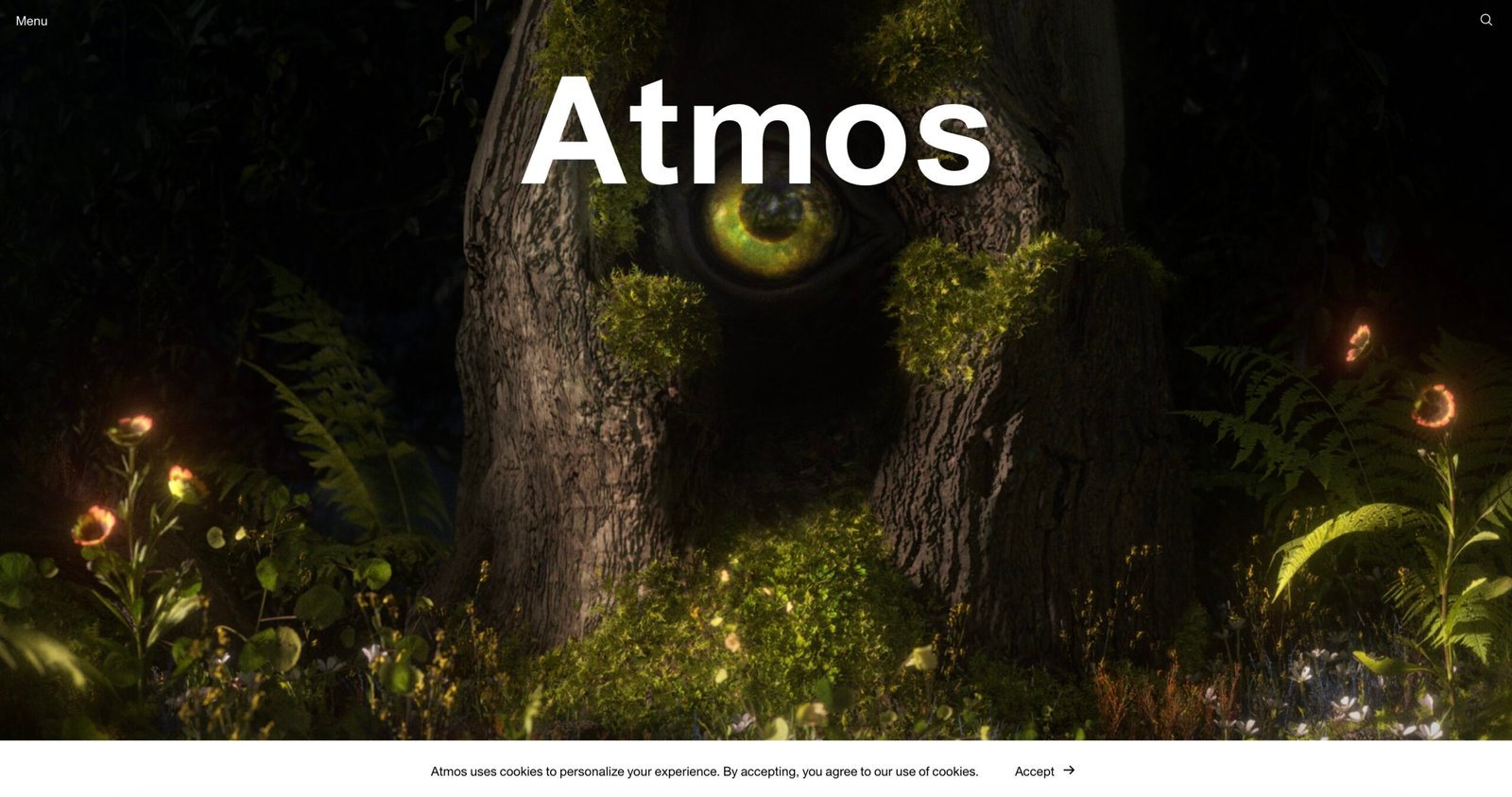
Atmos is a climate-and-culture magazine that combines longform features, visual portfolios, and short daily pieces. They explore the human, cultural and artistic side of climate topics — not just science-by-numbers. Their site organizes work by themes (Art & Culture, Climate Solutions, Ecological Wisdom, Science & Nature, Fashion & Design, Political Landscapes, and Magazine volumes). See the site’s topical overview for navigation. (All topics)
Why that matters: Atmos cares about rich storytelling, strong visuals, and cultural angles. That determines what editors look for in pitches: original voices, evidence of craft (photography, field notes, demos), and tight story structure. If you have a technical how-to that centers climate solutions, frame it as a story with people and evidence — not a pure how-to code guide.
Use these addresses only as stated on Atmos’ public About page:
- Writers / features pitches:
features@atmos.earth - Photographers / portfolios:
portfolios@atmos.earth - Press & general:
connect@atmos.earth - Partnerships / grants:
grow@atmos.earth
Tip: Start with the right inbox. Sending a story idea to the correct address speeds your chance of being read. (Contact labels appear on the About page.)
If you are new to their editorial voice, read 3–6 recent Atmos pieces in the section you want to write for: notice their headlines, the blend of narrative and science, and how photograph captions are used as storytelling devices.
Section 2 · Pick an Atmos-shaped idea
How to choose story ideas that fit Atmos’ range
Atmos is not a technical-only outlet. When you choose a topic, ask these three questions to ensure the idea is Atmos-shaped:
Does it center people or cultural meaning?
An Atmos reader expects to meet people, communities, or artists in the piece. Even solution-oriented journalism works best when grounded in human stories: a community restoring a coastline, a designer rethinking clothing materials, a scientist explaining local impacts.
Is there a visual angle?
Atmos often pairs long features with portfolios or photographic essays. If your idea has photography, field images, or visual components, outline those assets clearly in the pitch (sample images, captions, permissions).
Can you demonstrate local evidence or a small project?
The strongest pitches show results: a short pilot, data, an interview, or a photo series. If you don’t yet have primary material, plan a mini field test (a week of interviews, a short photo shoot, or a small data scrape) and promise to deliver that in the timeline.
Practice exercise: write one-line story summaries that begin with “This Atmos feature shows how…”, then finish the sentence with a real outcome (e.g., “…a coastal town used art to fight erosion and changed policy”). If the sentence answers what the reader will learn or feel, it’s a good idea starter.
Section 3 · Build a small portfolio
How to prepare writing and photo samples that editors will trust
Editors want evidence that you can finish and deliver a thoughtful piece. You don’t need many samples — three strong pieces are better than ten weak ones. Aim for:
- One longform feature (900–2,500 words) on your blog or a community publication that shows narrative skills.
- One photo portfolio (10–20 images) with captions, location, and permission/licensing notes.
- One short explainer or field note (400–800 words) that highlights clarity and accuracy.
Make sure samples are readable: good headings, clear captions, at least one image per major section for photo essays, working links, and a short author bio (2–3 lines). If you have a GitHub repository or data set for a solutions piece, include it. If you used interviews, list one or two sources you can name.
Section 4 · How to pitch — exact workflow
A repeatable pitch workflow for features and essays
Below is a practical, copy-pasteable workflow you can use when pitching Atmos via features@atmos.earth.
Copy each step into a checklist and follow it precisely.
Read Atmos carefully
Open About and the topics you care about. Note recent headlines and how features balance narrative, visuals, and science. Keep one or two model pieces open while you draft your outline.
Prepare a short pitch (subject line + 3–5 lines)
Editors are busy. Your initial pitch should be compact:
- A one-line subject that names the angle and place (e.g., “Pitch: Photo essay + feature — Seaweed farms rewilding X coast”).
- Two to four short paragraphs (3–6 sentences each): quick lede, why Atmos readers should care, your access or evidence, and a short sentence about deliverables/timeline.
- Attach two sample images (low-res watermarked) or links to your published samples.
Include a minimal outline
Add a bulleted outline under the pitch with 4–6 sections (Intro, Background/People, Fieldwork or Data, Visuals, Takeaway). Editors prefer to see structure; it shows you’ve thought through the piece.
Attach samples & a brief bio
Include: link to your best longform piece, link to photo portfolio or 2–4 JPGs (low-resolution), and a 2-line bio with relevant experience (studio, research, local knowledge). If you’ve published before, name the outlet and one relevant achievement.
Send to features@atmos.earth and wait
Send the email. If you haven’t heard in 2–3 weeks, a single polite follow-up is fine: one sentence (friendly), remind them of the idea, and add any new assets you gathered since the original pitch. If the reply is “no,” thank them and reuse the outline elsewhere.
If you are pitching photography or visual work, use portfolios@atmos.earth and follow the visual guidelines below (Section 5).
Section 5 · Photography & portfolios
How to present photography and visual work to Atmos
Atmos runs photobooks and portfolios alongside features. If you are a photographer, prepare:
- A contact sheet (10–20 images) — include captions, location, date, lens/format, permissions, and a short project statement (50–150 words).
- Low-resolution preview files for initial review (watermarked, 72dpi).
- Clear rights/licensing info — whether you offer exclusive, non-exclusive, or one-time usage for the web/print and any paid licensing requirements.
- A short CV / artist bio (2–3 lines) and links to an online portfolio or Instagram if relevant.
- Subject line: Portfolio submission — [project title], [location]
- First paragraph: one-line project summary + where it was shot.
- Second paragraph: 2–3 sentences describing the story behind the images and what makes this project relevant to Atmos readers.
- Attach contact sheet PDFs and add 6–8 inline low-res JPGs in the email body (so editors can scan quickly).
Editors often prefer to see the story arc: sequence your images so the first 3 immediately show the topic and tone.
Section 6 · Money & career value
How an Atmos byline can translate into earnings
Atmos is primarily a nonprofit editorial platform and does not always publish public pay rates for contributors. That means payment arrangements vary: some features are paid, some are commissioned, some are unpaid mission pieces — and sometimes the site has grant-funded projects. Because of that variability, treat your initial Atmos piece as a combination of portfolio-building and relationship-building.
Ways an Atmos byline can create money for you:
- Freelance commissions: Editors may commission paid pieces if your pitch fits a funded theme.
- Client leads: An Atmos feature acts as high-quality proof of work that can lead to paid client work, speaking fees, or consults.
- Print sales & licensing: If Atmos publishes a photo essay or prints a story, there can be licensing or print-sale arrangements; discuss these clearly in advance.
- Grants and partnerships: Nonprofit outlets often collaborate on grant-funded series — if you have a project that fits a grant, a partnership can generate pay.
Section 7 · Editing, ethics & AI
Standards you must hold: accuracy, transparency, and original work
Atmos’ credibility rests on accurate storytelling and strong visuals. Follow these rules:
- Fact-check everything: link to primary sources, studies, official statements, or data repositories when you reference numbers or policy decisions.
- Attribute quotes and claims: list interviewees and their roles, and give context to anonymous sources if used.
- No copy-paste from other outlets: avoid reusing text. If you must repurpose your prior work, disclose it to the editor.
- AI use: use AI tools only for initial brainstorming or grammar checks. If an editor asks whether AI was used to generate content, be transparent — and never rely on AI to produce facts without verification.
- Image ethics: obtain permission for photographs of people and protected places, and keep model/property release forms when required.
A good rule: if you wouldn’t be comfortable defending a paragraph or a photo in a short call with an editor, revise it before submission.
Section 8 · Final checklist & templates
Checklist before you hit send, plus copy-paste templates
Short pitch template (features — email)
Subject: Pitch — [Short, specific angle] — [Place/Project] (feature idea)

Hi Atmos team / Editor name,

I’d like to pitch a feature for Atmos about [one-sentence summary — what the story is].
Why it fits Atmos: [one short sentence — cultural angle, people, or visual angle].
What I can deliver: [outline bullets, expected word count, number of photos or assets].
Evidence & access: [links to a small portfolio, GitHub, data, or interview contacts — 1–2 links].
Timeline: I can deliver a first draft in [X] weeks.

A short bio: [2 lines — your experience + link].
Thanks for reading,
[Your name] — [location] — [contact email]
Portfolio email template (photography)
Subject: Portfolio submission — [Project title] — [location]

Hi Atmos team,

I’m submitting a photography portfolio titled “[Project title]” that documents [50-word project statement].
Attached: a contact sheet PDF and 8 low-res images for quick review.

Licensing: [non-exclusive / exclusive / editorial only — state terms].
Availability: I can provide higher-res files and captions on request.
Short bio: [2-line artist bio and portfolio link].

Warmly,
[Your name] — [website or IG handle] — [contact email]
Use these templates as a starting point. Keep the email short, human, and focused on why your piece matters to Atmos readers.
Section 9 · Resources & links
Direct links to Atmos pages and extra reading
- Atmos — About (contact emails: features@atmos.earth & portfolios@atmos.earth)
- Atmos — All topics (navigate categories & magazine volumes)
- Atmos — Home / features & magazine
- How Atmos was founded — editorial context
- Atmos shop — print volumes & merchandise (understand their print work)
- Atmos Instagram — follow to see daily visual work and portfolio examples
Other useful publishing & pitching resources:
- Freelance writing resources (basic pitch mechanics)
- Poynter — journalism best practices & ethics
- National Press Photographers Association — image ethics & releases
- Earth Journalism Network — climate reporting resources
- Nature — science reporting standards (for fact-checking)
Keep a private folder (Google Drive or Dropbox) with your pitch templates, sample images, a copy of your CV, and any release forms — you’ll reuse these across pitches.