


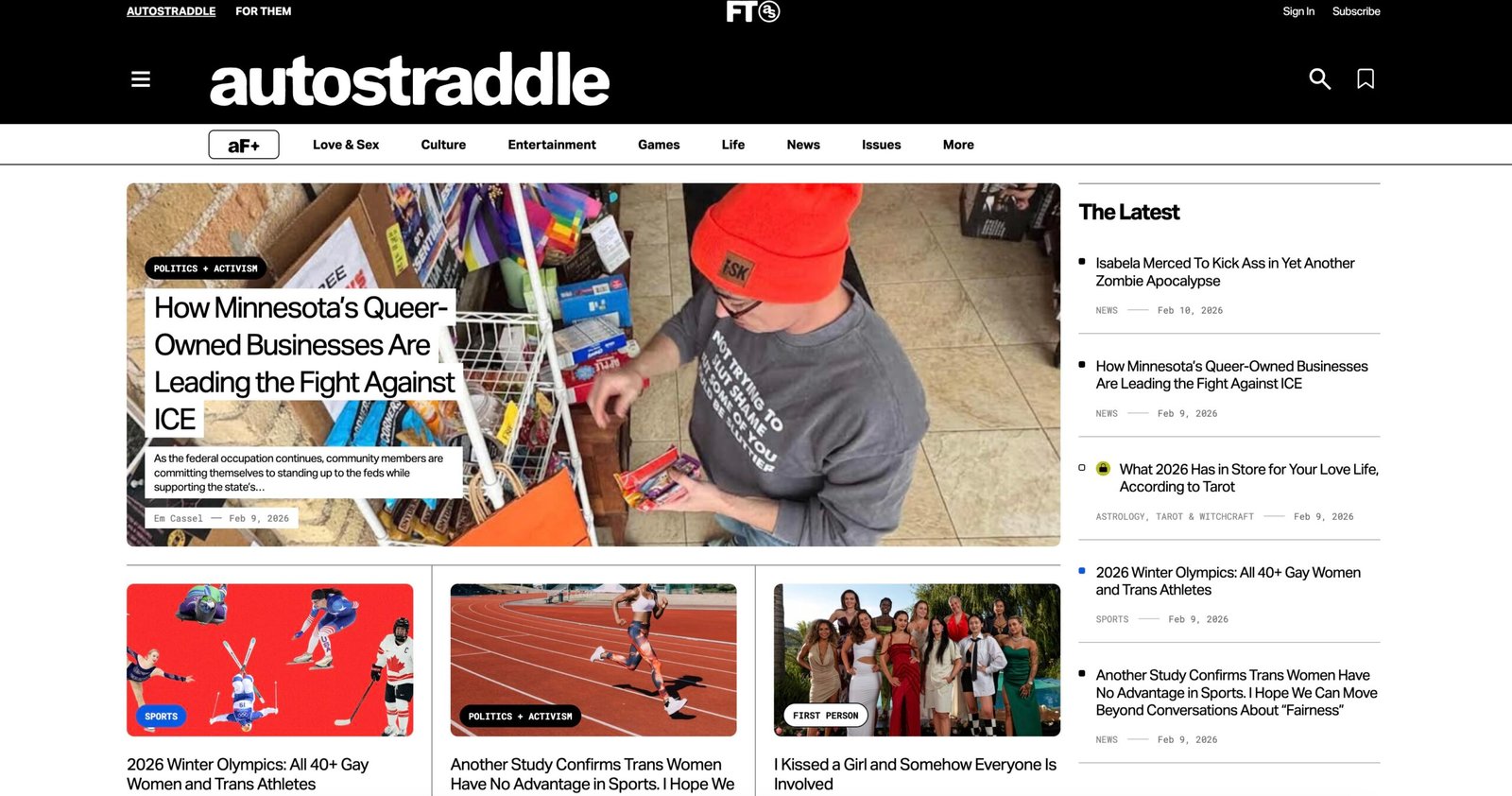
Guide: How to Pitch, Write, and Earn Money from Autostraddle (Beginner’s Roadmap)
This guide walks a complete beginner through researching Autostraddle, preparing clips, pitching with confidence, writing an editor-ready piece, negotiating fees, and turning one-post wins into ongoing income. It collects official submission rules and public reporting so you can act wisely.
Key official pages to keep open while you work: the Autostraddle Submissions page (pitch form), the contact page, and the Autostraddle style guide (linked in Resources).
Section 1 · Know the site
What Autostraddle publishes and who reads it
Autostraddle is a long-running digital publication and community focused on queer women, trans and nonbinary folks, and allied readers. The site publishes personal essays, cultural criticism, reviews, political reporting, humor, long-form features, and community-oriented pieces. See the official About and Submissions pages for the site’s self-description and contributor instructions. :contentReference[oaicite:2]{index=2}
What this means for you as a writer:
- Content often centers on lived experience, identity, politics, and cultural commentary — but it also publishes thinkpieces, reviews, interviews, advice, and reported features.
- Pieces that resonate are honest, voice-forward, and connect a personal or community experience to a broader idea or resource.
- Editors value clear writing, specificity, and ethical sourcing — especially when writing about marginalized people or situations.
- Personal essays: memoir-leaning, reflective, voiceful.
- Culture & reviews: TV, film, books, music, queer media.
- Opinion / politics: analysis of current events from a queer perspective.
- How-tos & advice: personal advice pieces, sometimes practical.
Autostraddle’s readers are queer people and allies across a range of ages who want writing that is culturally literate, politically informed, and emotionally honest. Writing that helps readers feel seen, learn something about culture or politics, or provides a thoughtful viewpoint tends to perform better.
Section 2 · The official submissions process
How to pitch Autostraddle (step-by-step)
Autostraddle accepts pitches via their submissions page and uses a form for receiving work. The Submissions page instructs potential contributors about formats and points of contact. Do not send full pitches by random email unless the page explicitly allows it — follow the form process. If you have questions about the submission process the page lists an editor contact (for example, Kayla Kumari Upadhyaya) and states email subjects to use for problems with the form. :contentReference[oaicite:4]{index=4}
Read the submissions page fully
Open Autostraddle Submissions and read every instruction. Note the kinds of pieces asked for, the allowed file types, and any specific formatting rules. The site historically asked for plain-text drafts and had an accessible style guide — check for updated requirements. :contentReference[oaicite:5]{index=5}
Decide which section your idea fits
Autostraddle publishes across categories: personal essays, culture, politics, sex & relationships, books, TV/film, and more. Pick the best fit and read recent posts in that section to match tone and length. Linking to 3–5 recent posts in your pitch shows you did homework.
Prepare a concise pitch (1–3 paragraphs)
Editors read many pitches. Your pitch should include:
- A single-sentence hook: what the piece is & why it matters.
- A short outline of the structure or key beats.
- Links to your clips, social profiles, or relevant projects.
- A brief bio line: what you do and why you are the right person to write this.
Use the form and follow technical rules
If the Submissions page directs to a form, use it — don’t email unsolicited attachments. If the style guide asks for plain text or HTML-coded drafts, follow that exactly. Older Autostraddle guidance has asked for plain-text submissions and for writers to know basic HTML for links and formatting; check the current page for specifics. :contentReference[oaicite:6]{index=6}
What to expect after you submit
Autostraddle editors review pitches and reply if interested. Response times vary. If the Submissions page gives a contact for submission errors or process questions, use the address specified and include the exact subject line they request. Do not spam editors with follow-ups — a polite one-time follow-up after a few weeks is acceptable. :contentReference[oaicite:7]{index=7}
Section 3 · Build a writing ladder
How to create samples and prove you can deliver
Before you send a pitch to Autostraddle, build a small portfolio of 3–5 strong pieces that show voice, editing ability, and thoughtful reporting or craft. Editors are likelier to accept writers who can finish a good piece on deadline and collaborate with editors.
- A clear beginning, middle, and end; strong first 2–3 paragraphs.
- Evidence of editing: short paragraphs, clean grammar, good transitions.
- Relevant sourcing and attribution for facts, links to sources.
- If reporting: at least 2–3 sources or interviews, with attribution.
If you lack published clips, write one long sample in the style you want to pitch. For Autostraddle, a well-told personal essay that connects personal experience to a cultural or political observation can be persuasive. Publish it somewhere (your blog, Medium, or a smaller outlet), then link to it in your Autostraddle pitch.
Section 4 · Exact pitch templates
Templates: copy, adapt, and send
Below are ready-to-use pitch templates you can adapt. Keep each pitch to 150–350 words if possible. Include links to your best clips. Replace bracketed text with your details.
Subject: Pitch: "[Working title]" — personal essay

Hi Autostraddle editors,

I'm [Your Name], a [brief bio — e.g., "freelance writer and organizer in New York"] and I'd like to pitch a personal essay for Autostraddle titled "[Working title]".

Hook (1 sentence): [One-sentence hook that explains the stakes and why readers will care.]

Pitch (2–3 short paragraphs):
- In this essay I will tell the story of [brief story arc — what happened and what you learned].
- Structurally, the piece will open with [opening image], move into [key moment or reporting], and close with [what readers will take away or call to action].
- Word count: ~1,000–2,000 words. I can deliver a full draft in X weeks.

Previous writing: [link to 1–3 clips] — OR: I can supply a full draft on request.

Thanks for considering this idea,
[Your name]
[2-line bio, optional pronouns, link to clips, Twitter/X handle or website]
Subject: Pitch: "[Working title]" — reported/culture feature

Hi Autostraddle team,

I'd like to pitch a reported/culture piece called "[Working title]". Hook: [one-sentence explanation of the trend/question and why Autostraddle readers should care].

What I'll report: [1–3 bullets — interviews you plan to run, sources you'll consult, data, or examples].
Structure: Intro (anecdote), scene-setting (context), reporting (interviews/data), analysis (what it means), and a short conclusion with resources for readers.

Estimated length: ~1,200–2,500 words. I can deliver an outline or first draft in [timeframe]. My relevant clips: [links].

Brief bio: [one or two lines about your background].
Thank you for your time,
[Your name]
Section 5 · Money
How Autostraddle pays — realities & how to plan
Payment at independent niche outlets can vary, often influenced by readership, membership revenue, and budget. Public reporting and community roundups suggest Autostraddle has historically paid contributors in a range that can be roughly $25–$200 per post depending on the piece type, the length, and whether the writer is staff or freelance. Some reporting and community-run lists reference amounts in the $25–$100 range for some posts and higher for commissioned or staff pieces — but these numbers can change over time. Always confirm fee terms in the editor’s offer. :contentReference[oaicite:8]{index=8}
- Ask: is this a one-off personal essay, a reviewed piece, or a reported feature? More reporting usually means higher pay.
- Estimate hours (research, interviews, draft, editing, revisions) to compute a target hourly rate you’d accept.
- If the editor doesn’t offer a fee, politely ask before accepting an assignment: “Could you confirm the fee for this assignment?”
- Turn one story into a series when possible (negotiated as multiple pieces).
- Use published Autostraddle bylines to win freelance clients or gigs.
- Repurpose long features into talks, workshops, or paid newsletters.
Section 6 · Article workflow
From idea to published story — a practical checklist
Outline & reporting plan
Write a one-page outline: opening anecdote, 3–5 sections, sources or interviews you’ll need, and a clear takeaway. If reporting, list people to contact and the question you’ll ask each.
Draft the piece in plain text
Many editors prefer plain text or basic HTML. The older Autostraddle style guide recommends plain text and basic HTML for formatting; check the up-to-date instructions on the Submissions page. Save a local copy and a backup. :contentReference[oaicite:9]{index=9}
Fact-check & confirm sources
Check every factual claim, quote, or statistic. Save screenshots or URLs for sources. For personal essays, offer context or links where appropriate.
Self-edit thoroughly
Cut excess words, check transitions, maintain a clear thread. Keep paragraphs short. Use a simple checklist: clarity, verbs strong, quotes accurate, links valid.
Submit via the requested channel
Use the Autostraddle form or procedure as listed on their Submissions page. Include your short bio, links to clips, a clear outline or the full draft depending on what they’ve asked for, and note any relevant content warnings the piece may need.
Section 7 · Ethics, AI, and accessibility
Rules to protect readers and your reputation
Autostraddle has a reputation in the queer community; editors take accuracy, consent, and fair representation seriously. Follow these principles:
- Consent & privacy: If writing about other people, get explicit permission for identifying details; anonymize when needed.
- Attribution: Link to sources, and don’t present others’ words as your own.
- AI use: If you use generative tools, heavily edit outputs, verify facts, and be transparent if asked. Never submit AI content as your original lived experience or reporting without disclosure and verification.
- Sensitivity: For pieces about trauma or marginalized experiences, include content warnings and be careful with sensational language.
Section 8 · Rights, reposting & negotiation
What rights you’ll typically give and how to ask about reposts
Most indie outlets buy first serial rights or limited exclusivity. That means they publish first and sometimes ask for a short exclusive window (e.g., 1–3 months) before you can repost. Always confirm:
- Payment amount and timing (invoice terms or payment schedule).
- Ownership/rights (first serial/exclusive period vs. full rights).
- Attribution requirements and whether you can cross-post after the exclusive period.
If you need more money for a reported feature, it’s acceptable to negotiate before you accept the assignment. Be polite, clear, and explain why the piece requires more time/reporting. Editors often have limited budgets, but they also appreciate transparency.
Section 9 · Final checklist, FAQ & resources
Final pitch checklist & useful links
FAQ — fast answers
- Autostraddle Submissions — official. (Primary pitch form & instructions.) :contentReference[oaicite:11]{index=11}
- Autostraddle: About. (Site mission & context.) :contentReference[oaicite:12]{index=12}
- Autostraddle Contact. Use this for general contact and event booking questions. :contentReference[oaicite:13]{index=13}
- Autostraddle Style Guide (PDF). Historical style guidance — check for updates. :contentReference[oaicite:14]{index=14}
- Who Pays Writers? — community-run list of publication pay rates (helpful for market research). :contentReference[oaicite:15]{index=15}
- Freedom With Writing — lists calls and pay rates for various publications, occasionally references Autostraddle.
- Dev.to, Medium — places to publish practice pieces and grow a clip library.