


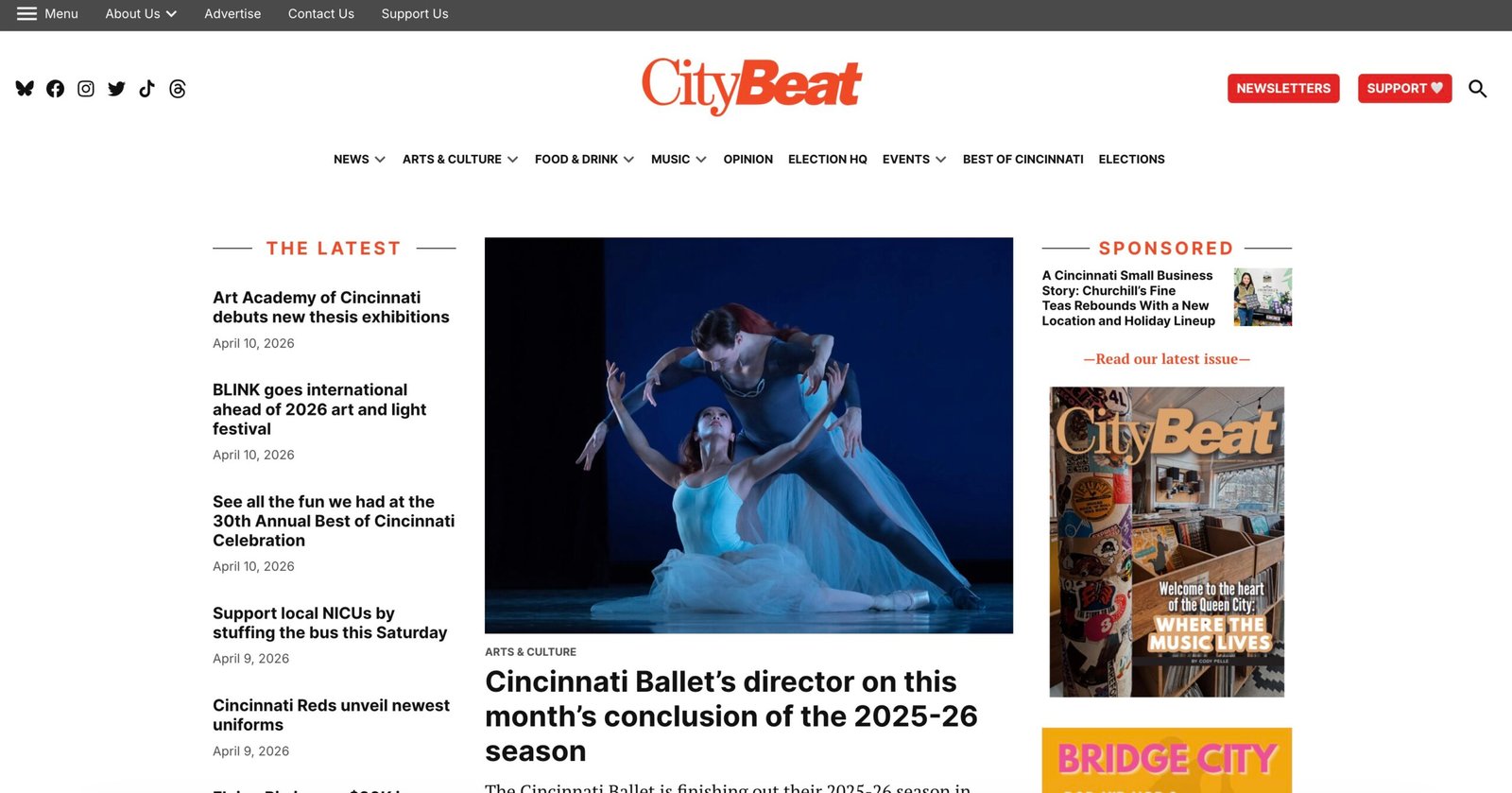
How to Write for CityBeat — A Practical Beginner’s Guide to Pitching, Writing & Getting Paid
This long guide walks you through the exact steps a beginner should take to research, pitch, and write for CityBeat (the Cincinnati alt-weekly and local site), including:
- How CityBeat prefers freelance submissions and what makes strong local pieces.
- How to prepare samples and a demo before you pitch.
- Concrete pitch templates, follow-up scripts, and invoice basics.
- Where to learn rates, how to negotiate, and how to grow from one story into more steady paid work.
Open the CityBeat freelance guidelines and contact pages while you read — links are included throughout so you can jump to the official pages and examples in one click.
Section 1 · Understand the publication
What CityBeat covers and what editors actually want
CityBeat is a local Cincinnati alternative weekly and online news site that focuses on local news, arts & culture, music, food & drink, events, and community features. The site runs regular coverage of restaurants and local arts and accepts work from freelancers to contribute features, reviews, and local reporting. Before you pitch, spend 30–60 minutes reading recent CityBeat stories in the section you want to write for. That tells you what style, tone, and depth editors expect.
Officially, CityBeat lists simple freelance guidelines explaining how to send a cover letter, samples, and pitches to editors. They encourage local knowledge, original reporting, and pitches that bring a new angle rather than rehashing what’s already been covered. Read the CityBeat freelance guidelines page carefully before you pitch. (It includes practical notes such as: send a brief cover letter, two relevant writing samples, and at least one story pitch; they may assign ‘spec’ pieces to new writers.)
- Local News & community features
- Food & restaurant reviews
- Local music & arts coverage
- Things to do / events / calendars
- Opinion & long-form features occasionally
- Locals interested in Cincinnati arts, dining, and music
- Event-goers hunting weekend plans
- People seeking local criticism (restaurant reviews, shows)
- Community readers who value local angles, personalities, and practical tips
Quick action: open the CityBeat homepage and a few recent pieces in the section you want to write for. Save the editor names from the bylines and the Contact page for later. If you plan to pitch news or features, local knowledge and timely relevance are non-negotiable.
Section 2 · Fit your idea
Make your idea CityBeat-shaped: local, timely, and specific
The single best way to get noticed by a local editor is to make your idea both useful for local readers and different from what they’ve recently published. Alt-weeklies like CityBeat avoid repeating the same subject within a two-year window unless there’s a fresh angle. Use three quick checks before you write or pitch:
Is it local and relevant?
Tie the article to Cincinnati or Ohio: a neighborhood trend, a local chef or venue, an upcoming festival, or a data point about the region. Generic national pieces are unlikely to earn a yes.
Is there a news peg or timely hook?
A recent closure, a policy change, a launch date, a festival season, or a newly released local study — these hooks make editors assign or accept pieces. If your piece ties to a date or season, say so in your pitch.
Is your angle different from what CityBeat recently published?
Search CityBeat for similar keywords. If a near-identical piece exists, think of a new approach: deeper reporting, a how-to slant, or a profile.
Exercise: Write one sentence that starts with “This CityBeat piece shows Cincinnatians how to…”. If you can finish it with a specific action (e.g., find late-night vegan food, use a new transit route, or discover under-the-radar galleries), your idea is on the right track.
Section 3 · Build your clips & demo
What to publish first so editors take you seriously
CityBeat editors expect evidence that you can finish a story and that your writing fits their readers. You don’t need a big-name publication to get noticed — you need good, topical clips that show you can report, meet deadlines, and write cleanly. Here are practical places and steps to build a starter portfolio:
- Your own blog (use a simple host like WordPress.com or Ghost).
- Local community sites or neighborhood newsletters.
- Devoted platforms: Medium, DEV (for tech-adjacent topics), or community CityBeat submission-type pages.
- Volunteer pieces for local nonprofits or event programs (still counts as clips).
- A clear, local-focused headline and lead that shows the piece’s purpose.
- At least one original quote or an interview (even a short one with a local source).
- At least one verifiable fact or data point with a source link.
- Clean formatting, proper links, and a short author bio (2 lines).
If you have none of that, build two small pieces: a 600–900 word neighborhood feature and a 500–800 word restaurant or event review. These show you can report, meet word counts, and write for local readers.
| Clip type | Length | Why it helps |
|---|---|---|
| Neighborhood feature | 700–1200 words | Shows reporting, quotes, and local knowledge |
| Restaurant / show review | 400–800 words | Shows opinions, detail, and quick-turn reporting |
| Calendar entry / short event preview | 200–350 words | Shows you can write concise, useful copy for readers |
Tip: Keep all clips on one page (a simple portfolio) and make each link obvious. Editors love a one-click portfolio with 2–3 strong pieces in the relevant beat.
Section 4 · Exact pitch SOP & templates
How to pitch CityBeat — step-by-step, with ready-to-send templates
Follow this step-by-step workflow each time you pitch. It reduces friction and increases the chance of a reply.
Open the official CityBeat freelance guidelines
Read their page, which explains exactly what they want, how to present samples, and who to email. Keep that page open while you write the pitch. (You’ll use the same wording editors already ask for.)
Choose one focused idea and a headline
Give the editor a short, specific headline and a 1–2 sentence hook that explains the angle, the local importance, and the timing.
Prepare a short outline and sources
Include a 3–6 bullet outline (sections or reporting steps) and list two potential sources you can interview. If you already contacted a source, say so (e.g., “I have a quote from X if you want it included”).
Attach or link 2 relevant samples
Link to your best work (not more than 2–3 pieces). Use hyperlinks rather than long URLs. If you attach files, paste the text in the email body too (many editors prefer quick viewing).
Short bio & contact info
Two lines: your role/experience, and one relevant credential (e.g., “I’ve covered Cincinnati food for two years” or “I run a local blog with 20k monthly readers”). Include your phone number.
Send with a clear subject line
Subject line examples: Article pitch: Headline — neighborhood / beat or Freelance pitch: [Headline] — Food. Keep it short and specific.
Pitch template — short version (email)
Subject: Article pitch — "How [neighborhood] is reinventing its late-night food scene"

Hi [Editor Name],

I’m [Your Name], a Cincinnati-based freelance writer and regular CityBeat reader (I’ve linked a couple of relevant clips below). I’d like to pitch a [700–900 word] piece:

**Headline (working):** How [neighborhood] is reinventing its late-night food scene
**Hook:** New late-night popups, a converted diner, and a neighborhood program are creating more options for night workers and concert-goers — and small businesses tell a different story about demand and staff.

**Outline (3 bullets):**
• Quick history of the neighborhood's late-night options (50–100 words)
• Profiles and quotes from 2–3 local food operators showing the change
• How residents and venues are adapting (practical takeaway + local resources)

**Sources I can contact:** [Owner 1 — phone/email], [Organizer 2 — phone/email]

My clips:
• [Title — publication] (link)
• [Title — publication] (link)

A short bio: I’m a freelance writer who covers local food and events; previously wrote for [site]. Phone: [number].

If this sounds useful, I can start reporting this week and have a draft in 10 days.

Thanks for considering,
[Your Name]
Longer pitch (for features that require more setup)
For longer, investigative or feature-style ideas: include estimated word-count, suggested visuals (photos, charts), and a rough timeline for reporting and first draft. Editors appreciate when you show you thought through the logistics.
Follow-up (when you haven’t heard back)
Subject: Quick follow-up — "How [neighborhood] is reinventing its late-night food scene"

Hi [Editor Name],

Just circling back on the pitch I sent [date]. If it’s not a fit, no problem — I can adapt it or send something shorter for the calendar. Happy to answer any questions.

Thanks again,
[Your Name]
Important: CityBeat often works by email. Check the Contact page for editor names and the correct email addresses to use.
Section 5 · Money: pay, invoices, and how to price
How you get paid, what to expect, and how to invoice
Small local publications and alt-weeklies pay per story, often based on length and complexity. CityBeat’s public notes indicate pay is per story and depends on the assignment’s length and amount of reporting. That means short calendar items or quick event previews often pay less than investigative or multi-source features. Because rates change and often vary per editor, always confirm pay when the editor assigns the piece and get the fee in writing via email before you begin major reporting.
- At assignment: politely ask “What fee/rate are you offering for this assignment and what is the deadline?”
- If they don’t quote: suggest a range (e.g., “$150–$300 depending on length and interviews”) and ask which band fits the piece.
- Confirm payment terms (net 30, check, PayPal, or direct deposit).
- Send a simple invoice after the piece runs (or per agreed terms). Include your name, address, tax info if required, invoice number, assignment title, agreed fee, and payment details.
- Use a free invoice template (Wave, PayPal invoices, or a Word/Google doc).
- Keep copies for taxes; treat freelance writing as small-business income.
| Piece type | Typical fee (local/alt-weekly) | Negotiation tip |
|---|---|---|
| Event preview / calendar item | Small — often token ($25–$75) | Use these to build a relationship, not big income |
| Short review / local column | Mid ($75–$200) | Show prior reviews to get higher pay |
| Feature / investigative piece | Higher ($150–$500+ depending on depth) | Ask for a fee that reflects interviews and research time |
Note: rates vary widely. Use crowdsourced rate databases (e.g., journo rate trackers or “Who Pays Writers” style lists) to understand local norms before you accept low pay that shortchanges your time.
Section 6 · Ethics, fact-checking & AI
Write trustworthy local journalism — the short rules
CityBeat’s editorial trust rests on accurate facts, named sources, and fair depiction. As a contributor, follow these practices every time:
- Verify quotes: record interviews where possible (with permission) and send editors exact quotes.
- Link to primary sources: studies, public statements, permits, or official records.
- Avoid anonymous claims unless necessary — editors will ask for verification.
- Fact-check names, titles, event dates, and addresses.
- You may use AI for brainstorming or grammar checks, but never submit unvetted AI text as your own reporting.
- All reporting, quotes, and facts must be verified by you — the author.
- If you use AI to draft, label it internal and ensure the final piece is your verified work.
Golden rule: if you couldn’t comfortably defend a line of reporting in a call with an editor, don’t publish it. Editors notice sloppy or invented details — that quickly stops future assignments.
Section 7 · Pre-pitch micro-SOP & checklist
Final checklist — use this before you hit send
Section 8 · FAQ & resources
Common beginner questions and a big resource list
- CityBeat — Freelance Guidelines (official)
- CityBeat — Contact / Editorial emails
- CityBeat — ‘Searching for Freelance Writers’ (example job posting / context)
- How to write a freelance pitch email — templates & tips
- Journalist rate trackers & freelance rates database
- WhoPaysWriters — crowdsourced list of publications & fees
- FreedomWithWriting — calls for pitches & editor advice
- Medium — publish sample pieces
- DEV — publish community or tech-adjacent posts
- Wave — free invoicing for freelancers
- PayPal Invoicing — simple invoice tool
- Poynter — journalism training & ethics
- Nieman Lab — local news analysis & trends