


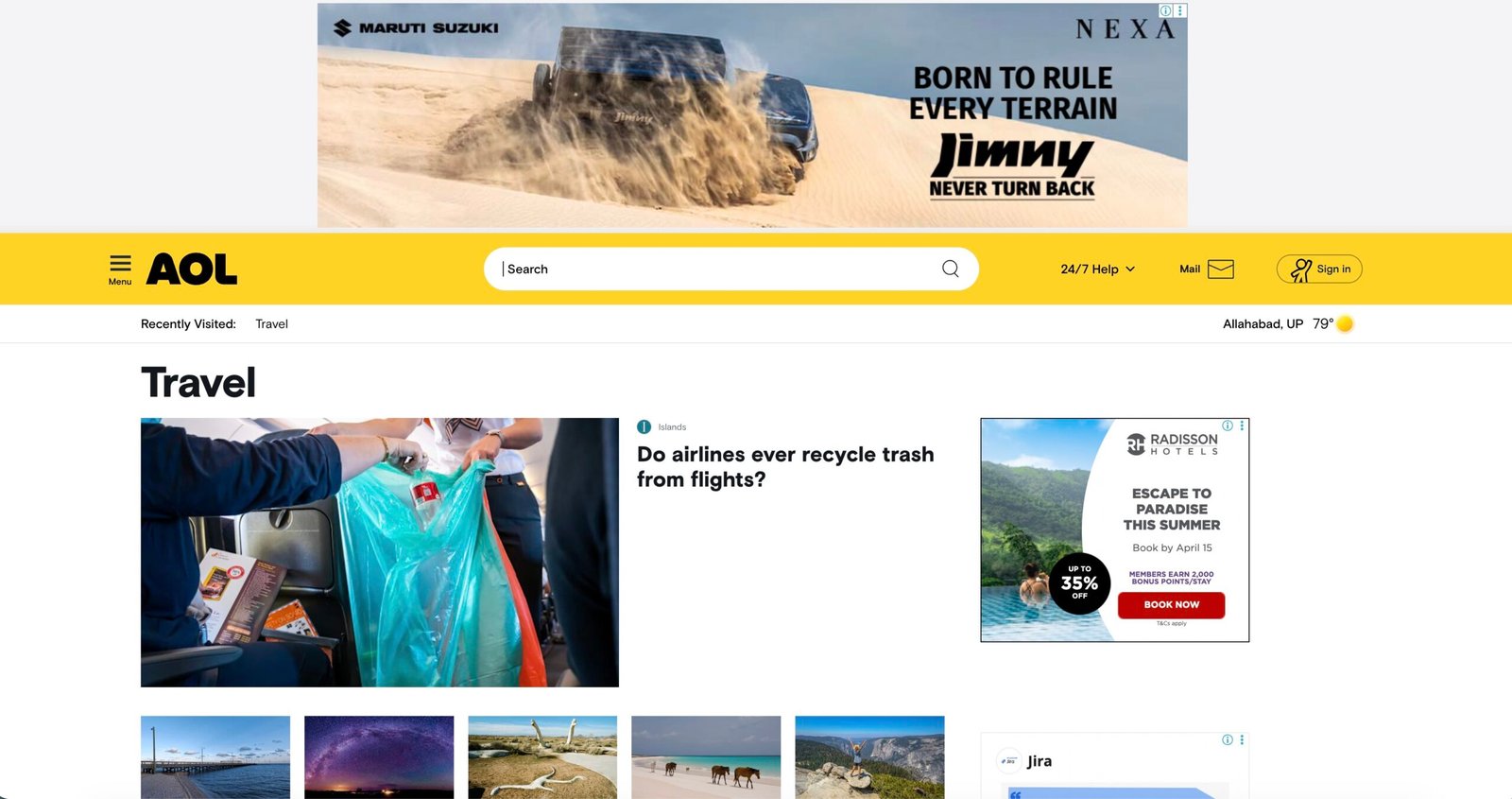
Guide: How to Research, Pitch, and Write for AOL Travel (Beginner — Step by Step)
This guide walks you through everything a beginner needs to know to research the AOL Travel section, build portfolio-ready samples, pitch editors, and earn money from travel articles. It includes practical templates, a pitch SOP, monetization ideas, and a long list of resources and links you can open in new tabs.
Read it as an operational checklist: research first, write a strong sample, then pitch professionally. This guide assumes you can publish to a personal blog or a platform like Medium or Substack before pitching.
Section 1 · Publication overview
Understand the product: AOL Travel (what they publish and who reads it)
Quick orientation: AOL has a broad network of verticals. The AOL Travel area publishes consumer travel news, destination roundups, practical tips, deals, and curated lists that suit mainstream readers planning vacations, looking for bargains, or considering travel trends.
Typical content formats you will see on AOL Travel:
- Timely trend pieces (travel trends, policy changes, airline news).
- Listicles and “best of” roundups (e.g., gear, hotels, destinations).
- How-to and planning guides (packing lists, itinerary ideas, travel safety).
- Personal essay-style practical pieces from experienced travelers or freelance writers.
Readers are broad: families, solo travelers, bargain hunters, and occasional travelers. The tone is usually straightforward, consumer-friendly, and often tied to timely deals or seasonal planning.
AOL operates with an editorial standard: factual accuracy, verified sources, and shareable headlines. Historically AOL used various contributor platforms and internal assignment systems; editorial guidelines evolve — so always check the site and editor contacts first.
- Open AOL Travel homepage in a tab and read 4 recent stories to study headlines and structure.
- Open the AOL editors/about page to find editor names & emails. (An editor contact historically listed is Michael Yessis.)
Section 2 · Fit your idea
Does your story belong on AOL Travel?
Use these quick checks before you write or pitch. If you fail two of the three, refine the idea.
Is it timely or evergreen?
AOL mixes both — trend and evergreen. Evergreen guides (packing, itineraries) perform long-term, but timely pieces (new flight rules, emerging trends) can attract fast traffic.
Does it help a mainstream traveler?
Avoid highly technical or niche trade pieces. Make your work practical: “How to save on family airfare” beats “deep dive into IATA settlement.” If it’s niche, suggest how it helps typical travelers.
Can you show sources or first-hand reporting?
Use official sites, carrier policies, recent studies, interviews, and your own tested tips. Editors prefer verifiable facts and clear sourcing.
Section 3 · Become pitch-ready
Build a few strong samples first (the practical ladder)
Editors want to see finished work. Before you pitch, publish at least 2–4 samples in one of these places:
- Your personal blog (best — maximum control over format and photos).
- Medium or Substack (good discoverability).
- Smaller travel blogs or niche sites that accept guest posts (search “travel sites that pay”).
- Clear headline and one-sentence promise.
- Short intro that states the problem and the result.
- 3–7 sections with practical, actionable tips or subheadings.
- At least one photo or screenshot and sources linked.
- Byline and short author bio (who you are & what you do).
Collect links to your best 2–4 pieces and a short bio (30–40 words). Put them in a single Google Doc or a simple portfolio page to paste into pitch forms.
Section 4 · Pitching workflow
Step-by-step pitch SOP + sample emails (copy, paste, edit)
Find the right contact
Look for the AOL editorial or “about editors” page to find the travel editor name(s) and emails. If an editor email is public, you can pitch directly — otherwise use the contact form on the site or the appropriate submissions system.
Prepare a tight pitch (3–6 sentences)
Structure:
- One-line lead: what’s the story and why now?
- Two-sentence outline: the main sections and the practical result for readers.
- Why you: one line linking your experience or sample pieces.
- Logistics: estimated word count, photos you can provide, and any time sensitivity.
Pitch template — short email
Copy/paste and adapt:
Subject: Pitch — [Headline idea] — [Short hook]

Hi [Editor Name],

I'm [Your Name], a travel writer who covers [e.g., family travel, budget travel, solo trips]. I'd like to pitch a ~900–1200 word piece for AOL Travel about "[Short headline]" — in one sentence: [one-line promise: what the reader will get].

Outline:
1) Quick lead + why now
2) Practical planning tips / links to official rules
3) Example itinerary or checklist
4) Where to save money / common pitfalls

I can provide original photos and a short bio. Here are two recent samples: [link 1], [link 2].

Thanks for considering — happy to adapt to editorial needs.
Best,
[Your Name]
[Your email] · [phone] · [short portfolio link]
Follow-up & what to do if you don’t hear back
If you haven’t heard in ~10–14 days, send a one-sentence follow-up: “Following up to see if you’re interested in my pitch about [headline].” If you still don’t hear back, repurpose the piece for another outlet or publish on your own blog and then use the published link to pitch again or show your clip.
Section 5 · Money & expectations
How writers typically earn from AOL Travel
There is no single pay table publicly posted for AOL Travel. Historically, contributors working through AOL networks or partner platforms have earned a range of fees; some public lists (from travel-writing roundups) suggest entry-to-mid pay rates for travel features and assignments. Treat initial assignments as both money and portfolio — pay varies by assignment type and whether you are on a direct freelance contract.
- Start by pitching short practical pieces (800–1,200 words).
- Negotiate a flat fee based on your time estimate (research + writing + edits).
- Use your first published piece as a sample to get better rates later.
Build a relationship: editors reuse reliable writers. A steady stream of good pieces can open larger feature opportunities or series with higher pay.
| Assignment type | Typical pay idea | Strategy |
|---|---|---|
| Short practical piece | Lower–mid fee (varies) | Good for first published clip |
| Deep feature with reporting | Higher fee (negotiated) | Use proven reporting & strong assets |
| Series or recurring work | Per-piece or negotiated retainer | Aim for this once you have trust |
Section 6 · Images, rights & republishing
Photography, image credits, and reprints
Images matter for travel stories. Editors appreciate original photography but will also accept licensed or public-domain images if credited correctly. Always ask before using hotel/airline-provided images; keep records of permissions.
- Provide high-resolution images and short captions.
- Include where/when the photo was taken and photographer credit.
- Be ready to transfer limited rights (publish-only) depending on the editor’s policy.
Many publishers allow authors to repost after a short exclusive period, but always request this verbatim in your contract or email before you distribute elsewhere.
Section 7 · SEO & social
Write pieces editors can easily promote (SEO + social-ready)
Practical tips that editors love:
- Include clear H2/H3 section headings and short paragraphs for readability.
- Link to authoritative sources (official airline/hotel pages, DOT, tourism boards).
- Provide a suggested tweet/Instagram caption (headline + short blurb) the editor can copy.
- Use keyword-aware but natural headlines — think “How to X” or “The best Y for Z”.
Section 8 · Final checklist & FAQ
Pre-pitch checklist and short Q&A
Section 9 · Resources (open these links)
Essential links & tools to keep open while you work
- AOL Travel — main section (homepage)
- AOL / About Editors — editor contacts (use to find Travel editors)
- Google Alerts — track “AOL Travel” and your topic
- World Nomads — travel writing tips
- Freelance writing job boards (search travel assignments)
- ProBlogger Job Board — freelance gigs
- Medium — quick publishing platform
- Substack — build your audience
- Travel Blogger Academy — markets that pay (roundups)
- Who Pays Writers — crowdsourced pay tracker
- Search “AOL Travel” on the site to read recent examples and notice format & tone.
- Keep the AOL “about editors” page open to check contacts and updates before pitching.