


How to Write for ADDitude — A Practical Beginner’s Guide
This guide walks you — step-by-step — through researching, planning, pitching, and getting published on ADDitudeMag.com, the leading magazine and online resource for ADHD and attention-difference support. It’s written for new and aspiring contributors (parents, clinicians, educators, adults with ADHD, and specialists).
You will get clear examples, a pitch template, sample outlines, ethical and medical-safety rules to respect, and a short monetization plan so you can turn your knowledge into paid articles, webinar invites, and more.
Section 1 · Know the publication
What ADDitude actually publishes — and who reads it
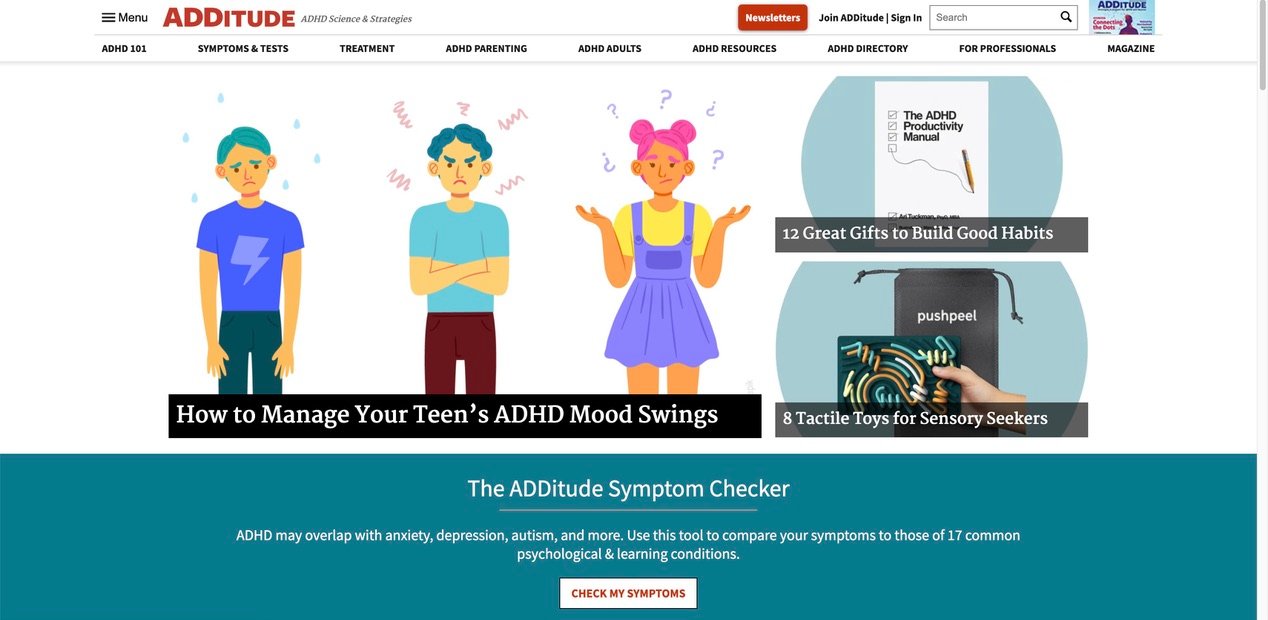
ADDitude (ADDitudeMag.com) is a specialized magazine and website serving families, adults with ADHD, educators, and clinicians. The site publishes practical, evidence-informed articles: symptom checklists, diagnosis guides, treatment options, parenting strategies, productivity tips, personal stories, and expert columns. The readership includes both laypeople seeking help and professionals looking for trustworthy summaries and tools.
ADDitude publishes:
- First-person essays and lived-experience pieces (parents, adults with ADHD)
- Expert explainers by clinicians, therapists, and researchers
- Practical “how-to” pieces: parenting strategies, medication guides, productivity hacks
- Roundups (books, tools), resource lists, and webinar-based content
Read the official contributors and contact pages on ADDitude to confirm submission details and editorial expectations before you pitch: Writers’ Guidelines — ADDitude.
Section 2 · Fit your idea
Is your topic ADDitude-shaped? (Quick fit checklist)
Does it meet a reader need?
ADDitude readers want clear help. Your article should answer a real problem: diagnosing a child’s attention issues, managing medication side effects, structuring homework time, improving focus at work, or personal stories that normalize and teach.
Is your angle specific and practical?
Replace “ADHD tips” with specifics: “How to set up a visual task board for middle-schoolers with ADHD”, or “Medication morning routines that reduce afternoon crashes: a clinician’s checklist”.
Can you support it with experience or evidence?
Strong submissions are backed by: real-life case examples (anonymized), clinical experience, citations to guidelines, or step-by-step tested methods. If you are a clinician or researcher, cite your credentials and key references.
Format match: essay, how-to, or expert explainer?
Decide whether your idea is best as a personal essay (700–1,200 words), a practical how-to (1,000–2,000 words), or an expert explainer (1,200–2,500+ words with citations).
Section 3 · Prepare before you pitch
Build a small writing ladder and credibility
- Personal essay: 700–1,200 words (a short, honest lived-experience piece).
- How-to piece: 1,200–2,000 words with a clear list of steps, examples, and a short conclusion.
- Expert explainer or resource list: 1,500+ words with citations and links to research/reputable guidelines.
Post these on your blog, Medium, or a relevant community (e.g., Psychology Today submissions, Medium, or a professional association blog).
- Short bio (50–80 words): credentials, lived experience, current role.
- Links to your best published samples or a single strong long piece.
- Contact email, location (city, country), and any affiliations.
- If applicable: license, degrees, or clinician credentials (e.g., PhD, PsyD, RN).
| Stage | Where to publish first | Why |
|---|---|---|
| Practice | Your blog, Medium, Substack | Low friction; you control formatting and links |
| Growth | Small niche blogs, community sites, or association newsletters | Gain clips and experience collaborating with editors |
| Target | ADDitude | High readership, subject-focused audience — great for exposure |
Editors value accuracy and empathy. If your pieces deal with medical treatment or diagnosis, make sure you either have the medical expertise or partner with a clinician — and cite trustworthy sources (peer-reviewed papers, clinical guidelines).
Section 4 · Exact pitch workflow
How to pitch ADDitude — step-by-step with templates
Read the official writers’ guidelines
Always start at the source: ADDitude’s Writers’ Guidelines and Editorial Policy. These pages will tell you whether they’re accepting submissions, the preferred formats, disclosure rules for treatments, and webinar requirements.
Choose ONE idea and make a tight outline
Editors are short on time. Send one clear idea with a concise outline: a 2–4 sentence pitch, a 5–8 bullet outline of sections (with approximate word counts), and links to samples.
Use this pitch template
Copy-paste and adapt this template when you email or use the submission form:
Subject: Pitch: [Short headline] — [One-line hook]

Hello EDITOR NAME (or "ADDitude Editorial Team"),

I'm [Your name], [one-line credential: e.g., "parent of a teen with ADHD" or "clinical psychologist, PhD, specializing in ADHD"].
I'd like to pitch an article for ADDitude titled: "[Proposed headline]".

One-line hook:
[Two-sentence summary of what the article will do for readers].

Outline (approx. 1,200–1,800 words):
1) Intro — why this matters (150–250 words)
2) Step 1 / background / diagnosis / symptom overview (250–400 words)
3) Step 2 / practical implementation / examples (400–600 words)
4) Step 3 / troubleshooting & resources (250–400 words)
5) Conclusion + 3 actionable takeaways (100–150 words)

Samples: [link to 1–3 published samples]
Bio: [50–80 words — credentials & contact]
Thank you for considering this idea. Happy to provide more detail or a full draft.

Best,
[Your name]
[Website / Twitter / LinkedIn]
What to attach and what to paste
Attach nothing unless asked. Paste the outline and sample links in the body. If they ask for a full draft, send it as a Google Doc with comments enabled and a short cover note.
Be ready with credentials & disclosures
If you discuss medications, therapies, or diagnoses, include:
- Your clinical credentials (if any) and conflicts of interest.
- Whether the piece is sponsored, based on a product, or is a webinar pitch.
- Your sources: peer-reviewed studies, official guideline links, and institutional pages.
Follow-up etiquette
If you hear nothing after 2–3 weeks, send one short, polite follow-up (1–2 sentences). If they decline, politely thank them and ask if they’ll accept a revised angle in the future.
Section 5 · Money & rights
How you can earn — pay, rights, and downstream opportunities
Specific payment rates are often negotiated and unpublished on the site, but freelance-writer roundups and market directories often report that ADDitude pays for editorial and webinar contributions. Exact fees vary by assignment, length, and whether you provide original research or an expert webinar. Use your pitch to ask whether they offer a flat fee or honorarium and whether they pay for webinar appearances.
- Use ADDitude byline as a portfolio piece to get paid consulting or speaking work.
- Offer webinars or workshops for parent groups or educators, citing your published piece.
- Create a small digital product (checklist, printable, mini-course) that complements your article — promote it from your author bio if allowed.
| Opportunity | How to monetize | Notes |
|---|---|---|
| Single article | Flat fee (if offered) + byline | Great exposure and credibility |
| Webinar or expert session | Honorarium + potential leads | Requires clinical or recognized expertise |
| Consulting / speaking | Paid coaching or talks after article | Use article as social proof |
Tip: Ask about rights and republishing rules before you sign anything. ADDitude has content usage and editorial policies that explain permissions and reprint rules — check their Contact/Editorial pages for specifics.
Section 6 · Accuracy, ethics & clinical safety
When writing about health: sources, consent, and medical safety
If you are not a clinician, do not present medical advice as definitive. Use phrasing like “many clinicians recommend…” and link to guidelines. When presenting treatment options (medications, CBT, neurofeedback), cite reputable sources such as clinical guidelines or systematic reviews.
- Peer-reviewed journals (PubMed links, DOI)
- Professional guidelines (e.g., American Academy of Pediatrics, NICE)
- ADDitude’s own topic pages when summarizing established advice
Section 7 · Micro-SOP (pre-pitch checklist)
Final checklist before you submit
Section 8 · FAQ & Resources
Frequently asked questions and a curated link list
- ADDitude — Writers’ Guidelines (submit & webinars)
- ADDitude — Editorial Policy
- ADDitude — Contact & Editorial Team
- What is ADHD? (overview)
- ADHD in Adults (section)
- Parenting ADHD Kids (section)
- ADHD Management & Productivity
- Adult ADHD Treatment Options
- PubMed (research)
- CDC — ADHD Information
- NIMH — ADHD