


How to Use AWP (and related resources) to Write, Publish, and Earn — a beginner’s step-by-step guide
This guide shows you how to find markets, prepare publishable work, submit with confidence, and turn publication credits into income. The steps use the Association of Writers & Writing Programs resources and widely used industry tools (Submittable, Duotrope, Poets & Writers) so you — even as a beginner — can make a realistic publishing plan and start getting paid.
Save this page, scroll the Table of Contents, and use the checklist near the end before you submit. The guide contains sample pitch templates, negotiation tips, and a long resources list with links you can open in new tabs.
Section 1 · Start here
What AWP is and why it matters for writers
The Association of Writers & Writing Programs (AWP) is a major nonprofit literary organization that runs conferences, hosts the bimonthly publication The Writer’s Chronicle, administers award series and contests, and acts as a hub for writers, MFA programs, literary journals, and teachers.
Why beginners should pay attention to AWP:
- Community & networking: large conferences and regional events where you can meet editors, agents, and fellow writers.
- Publication opportunities: AWP’s magazine and partnered contests are real ways to build credentials and visibility.
- Resources & training: workshops, webinars, and curated listings for grants and residencies.
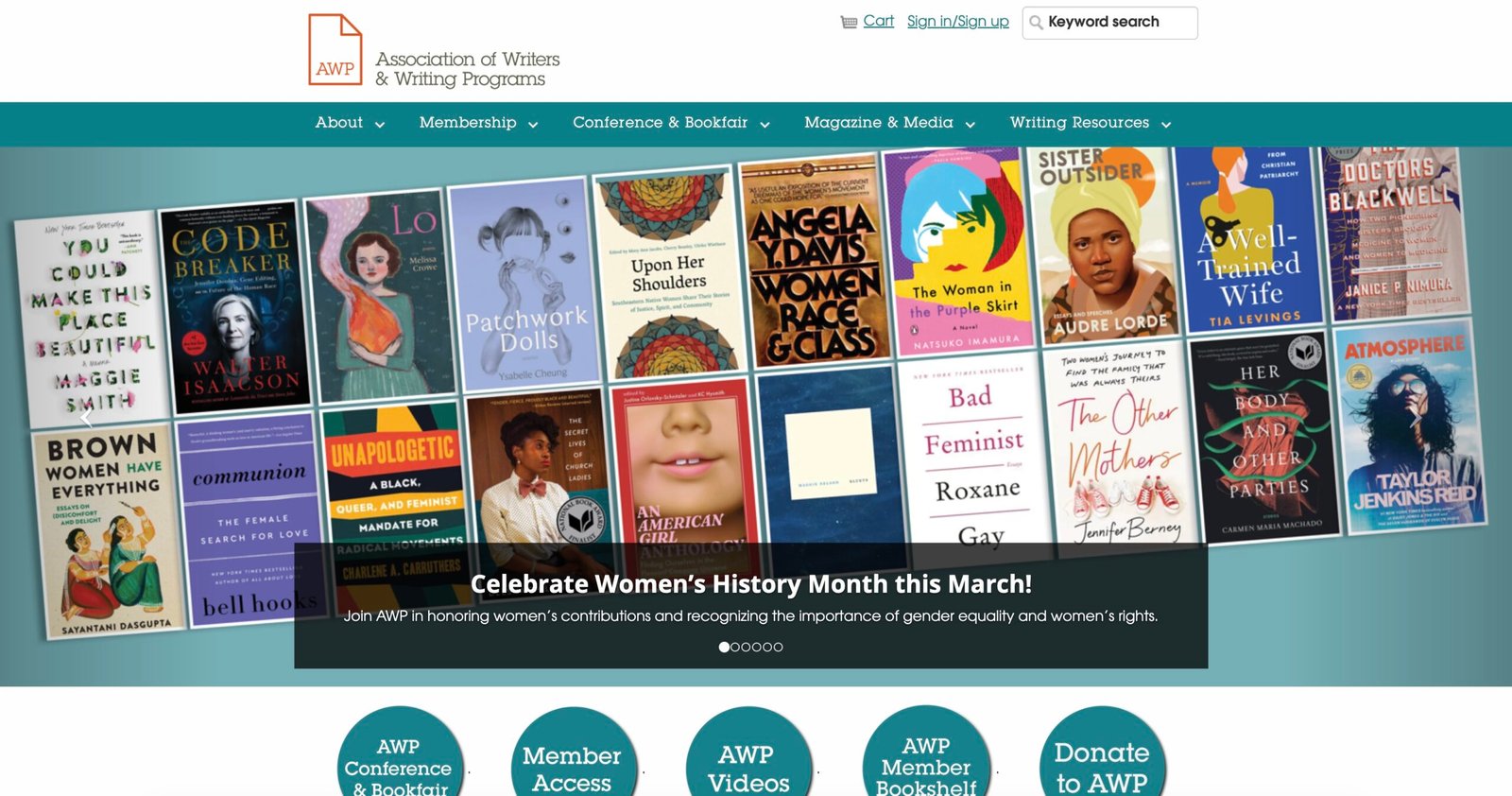
- AWP homepage — latest news, events, and member resources.
- The Writer’s Chronicle — the AWP bimonthly magazine that accepts pitches during specific windows.
- AWP Award Series — book-length contests with cash prizes and publication.
- Contact & membership information.
Section 2 · How to use AWP resources
Practical uses: magazine, contests, conference, and community
AWP’s offerings are diverse. Here are the high-value actions for a beginner writer:
Write for The Writer’s Chronicle
The Writer’s Chronicle publishes essays, interviews, and features about craft, pedagogy, and publishing. Their site includes submission windows and guidelines — for example, the Chronicle opens for pitches in specific months (check the magazine’s about page and pitch windows before you send anything).
Tip: Read recent issues for tone and topic. An editorial calendar or recent issue helps you match topic + voice.
Enter the AWP Award Series & other contests
Contests can lead to cash prizes, book contracts, and prestige. AWP’s Award Series is a book-length contest with meaningful prize money and publication; deadlines are announced on AWP’s contests pages — check the rules and categories carefully.
Tip: Contests often expect a finished, polished manuscript; use contests when you have a nearly-final project.
Use the AWP Conference to network and pitch
The AWP Conference & Bookfair is where editors, small presses, MFA programs, and agents gather. Attend panels, schedule one-on-ones, and bring a short, practice pitch. If travel isn’t possible, AWP’s virtual programming and recorded sessions also provide access.
Use member directories and contest listings
AWP maintains member directories and contest listings — these are good for finding journals that publish work like yours and for seeing which presses/addresses to contact.
Section 3 · Markets & tools
Where to find paying and reputable outlets
Publishing is partly about research. Use the tools below to find markets (literary journals, magazines, and essay outlets) that accept submissions and sometimes pay.
Duotrope is a subscription database that lists thousands of literary journals, magazines, and contests, with submission windows, response times, and acceptance statistics. It’s useful for targeted searches (genre, fees, pay, response time).
Poets & Writers maintains a reputable directory of literary magazines and small presses including editorial policies and contact info. Use it to verify submission guidelines.
Many journals use platforms like Submittable for entries and contests. Create an account, keep a spreadsheet of submissions, and track deadlines.
| Tool | Best use | Link |
|---|---|---|
| Duotrope | Market research + submission tracker | duotrope.com |
| Poets & Writers | Magazine directory & editorial policies | pw.org |
| Submittable | Many journals & contests accept via Submittable | submittable.com |
| AWP | Contests, conferences, magazine, listings | awpwriter.org |
Section 4 · Prepare publishable work
A step-by-step production checklist
Pick the right piece for the right market
Read 3 recent issues or sample articles from the journal or magazine. Note tone, word length, and content — is it personal essay, research-backed feature, craft essay, or short fiction?
Polish craft: edit, proof, and get feedback
Use beta readers, a writing group, or a mentor. Pay attention to line edits: clarity of opening, strong narrative engines, tight paragraphs. For nonfiction, verify facts and link sources.
Format correctly
Follow the target’s style: single-spaced or double, bio length, attachments, subject line requirements. If Submittable requests a particular field order, follow it exactly.
Create a polished author bio & clips
Have a 25–40 word bio and links to your published samples or a controllable portfolio (personal site, Medium, Dev.to, etc.). If you have none, publish a strong sample on a blog and link to it.
Track submissions and responses
Maintain a simple spreadsheet: outlet, date submitted, response due, response received, rights asked for. If you get an acceptance, respond quickly and follow contract steps.
Keep building clips
If you don’t place right away, keep writing. Publish on small paying sites, industry blogs, or community publications to build a portfolio.
Section 5 · Pitches that work
How to write a clear pitch or query letter (templates included)
Two common pitch formats: (A) Short query for magazines/features; (B) Full pitch for The Writer’s Chronicle or longer editorial opportunities with AWP. Keep things simple: a one-line hook, 2–4 paragraph summary, proposed sections, your platform, and links to clips.
Subject: Pitch: "Working title" — short hook (50 chars)

Hello [Editor Name],

I hope you're well. I'm a [brief credential — e.g., "freelance writer and teacher"] and I'd like to pitch a [700–1,200 word feature / 1,500 word how-to / personal essay] titled:

"Working title"

1-sentence hook: [A single sentence that explains the article's payoff.]

Why this matters: [2–3 sentences about the reader problem and why your angle is fresh.]

Outline:
• Intro (what the problem is)
• Section 1 (what you do)
• Section 2 (how the reader can replicate)
• Conclusion (result / call to action)

Clips: [link to 1–3 recent published pieces or your best sample]

Bio: [25–35 words: relevant experience and contact info]

Thanks for considering — I'm happy to adapt length or focus to fit your audience.

Best,
[Your Name] | [email] | [site or Twitter]
Subject: Full pitch — "Title" (feature for The Writer's Chronicle)

Dear Editor [Name],

I'm writing to propose a [2,000–3,000 word] feature entitled: "Full title".

Hook (1 sentence): [the central promise — what will readers know/feel/do after reading?]

Why Chronicle readers: [2 short paragraphs explaining relevance to writers/teachers and how this ties to current conversations in the Chronicle.]

Proposed structure / word counts:
• 350–500 words — Intro + scene / anecdote
• 700–900 words — Research / techniques / case studies
• 500–800 words — Practical takeaways & example writing exercises
• 200–400 words — Conclusion & resources

What I'll bring: [your experience, sample work, any interviews arranged, or data]

Clips: [links to 2–3 samples; if none, a robust sample on your site]

Timeline: [how long to deliver first draft; availability for revisions]

Bio: [40–60 words: your relevant background, publications, affiliations]

Thanks for considering. I can send a full outline or first 1,000 words on request.

Warmly,
[Your name] | [contact]
Section 6 · Rights & money
What to expect around pay, rights, and contracts
Pay varies widely. Many literary journals pay small honoraria, some pay contributors, and paid features (magazines and trade outlets) offer higher rates. AWP contests may carry cash prizes and publication contracts for winners.
- One-time flat fee: fixed amount upon acceptance.
- Honorarium: small token payment plus credit.
- Contests: entry prize money and publication.
- Commissioned features: negotiated fee based on length and use.
- First North American serial rights — common for magazines.
- Exclusive rights — sometimes temporary (check duration).
- Reprint / archive rights: clarify whether the outlet keeps your piece online forever.
- Author copies & reposting: ask whether you can repost after a defined exclusivity period.
Section 7 · Leverage your credits
How a single publication can grow your income and opportunities
One accepted piece can be more than a paycheck — it becomes marketing for your services, a credential on pitches, and a key to bigger assignments.
Use your byline as marketing
Update LinkedIn, your website, and your media kit with the byline. When you pitch clients or editors, link to the published piece as proof of experience.
Pitch bigger outlets
Editors at larger outlets hire freelancers who have proven they meet deadlines and can take edits. Use each published piece as a stepping stone to apply to paid magazines.
Repurpose content
Turn an essay into a talk, a newsletter series, or a short course. Republishing excerpts (with permission) can also extend reach.
Apply for paid gigs and residencies
Many residencies and fellowships want evidence of publications; AWP’s directories and award history can help you identify which opportunities to apply for.
Section 8 · Final pre-submission checklist
Use this micro-SOP before every submission
Section 9 · FAQ & resources
Short answers and long list of resources
- AWP — homepage (events, news, directories)
- AWP — Contact & membership
- AWP Award Series — contests
- The Writer’s Chronicle — about & pitch windows
- Duotrope — market database (paid)
- Poets & Writers — literary magazines directory
- Submittable — submission platform & opportunity discovery
- Writer’s Digest — practical advice and pay guides
- The Writing Cooperative — community articles & pitching tips
- Freelancer platforms (if you want to build paid short-form experience)