


Guide: How to Write for Beatportal (Step-by-step, for beginners who want to earn)
This guide explains, in plain terms, how Beatportal works as an editorial platform, how to shape ideas that fit their audience, how to build samples, how to contact editors, and practical ways to turn a Beatportal byline into money (freelance gigs, clients, courses, and more).
It contains sample pitch templates, outreach scripts, where to publish practice pieces, and a long list of links you can open and use for research. If you’re new to music journalism, follow the steps in order — they’ll take you from your first short byline to repeat assignments.
Section 1 · The platform
What Beatportal is and who reads it
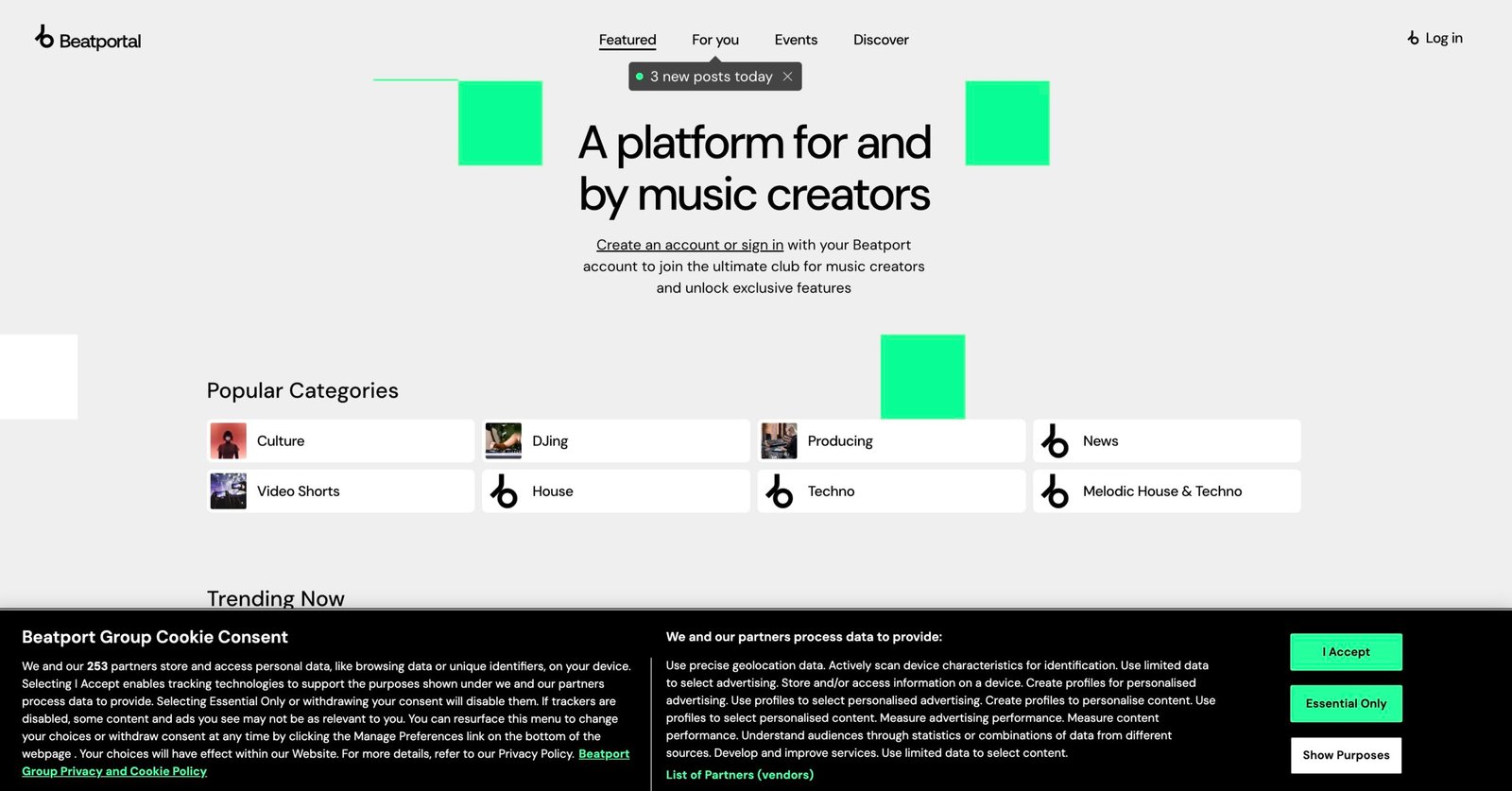
Beatportal is the editorial and culture arm associated with Beatport — a platform focused on DJs, producers, club music and electronic culture. Beatportal publishes news, interviews, long-form features, playlists, artist profiles, and industry explainers. The site is used by DJs, producers, label people, promoters and music-curious fans who want informed, practical, and music-first coverage.
- DJs and producers looking for new releases, interviews and tech tips.
- Label and promo staff tracking trends, playlists and charts.
- Fans and scene participants who care about context and credible voices.
- Artist interviews and cover stories
- Label profiles and scene features
- Playlists, editorials, and industry explainers
Tip: Read a week’s worth of Beatportal features and playlists before you pitch. Look at headlines, how interviews are structured, which artists get long features, and how editors frame release context (who, when, why it matters).
Section 2 · Article fit
Which ideas suit Beatportal (and which don’t)
Before you write a headline, ask: Does this story matter to DJs/producers/labels? Beatportal favors context-rich stories: why a release matters, how a producer made a choice, or how a scene is shifting.
Bring a clear editorial angle
Avoid generic listicles. Instead craft an angle: “How X uses unusual sampling to create club dynamics” or “Why label Y is reshaping UK underground techno in 2026.”
Can you back it with demos, interviews, or data?
Good Beatportal pieces quote artists, label heads or show release data (chart positions, playlist adds). If you can include an exclusive quote or a short demo, your pitch is stronger.
Who exactly benefits from this article?
Define the reader: “touring DJs who care about cheap lightweight kit” or “bedroom producers looking to master drum processing.” That makes your outline easier to sell.
Quick test: write one sentence starting “This Beatportal piece explains how…” — if a colleague can repeat that and say “Okay, I want that” you have a clear idea.
Section 3 · Build a pitching ladder
How to prepare — pieces to publish before you pitch Beatportal
- Create a short press kit: 2-3 hi-res photos, a short bio, links to tracks on Beatport/Spotify/SoundCloud, and a one-paragraph pitch.
- Host demos on SoundCloud, YouTube or private streaming links you can share.
Why this ladder? Editors prefer contributors with finished work and the ability to meet deadlines. Your early clips demonstrate your craft and speed.
| Stage | Where to publish | Goal |
|---|---|---|
| Practice | Your blog / Dev.to / Medium | Finish polished how-to or an interview |
| Mid | Local music blogs / online zines | Bylined clips that show editorial voice |
| Target | Beatportal | Longer features or exclusive interviews |
Section 4 · Practical workflow
Step-by-step — from idea to pitch
Research Beatportal now
Read recent Beatportal pieces in your target beat (e.g., techno, house, experimental). Note authors, style, and editorial length (short news vs long features).
Write a one-paragraph idea + 4-section outline
Your outline should have: intro (why), main sections (with bullets), a demo or quote, and the takeaway or next steps for readers.
Prepare media & sources
Gather promo photos, short audio, links to releases, and any permissions for quotes. If you’re interviewing, prepare 6–10 questions and ask for a 15–20 minute time slot.
Draft the sample article
Create one 1000–2000 word feature (or long-form explainer) as your sample. Use a clear headline, subheads, and pull quotes. This is the link you will share when pitching.
Pitch with a concise email or form entry
Short subject line, one-sentence hook, 3 short bullets describing the piece, links to samples, and a short bio (2 lines). Suggest a timeline and whether you can provide exclusive material.
Section 5 · Contact & pitch templates
How to reach Beatportal editors (templates you can copy)
There is no single “contributor form” publicly displayed like some outlets have. Beatportal works with a mix of staff writers and contributors — editors commission pieces and also work with trusted freelancers. Use a direct, professional approach: email editors, use Beatport support for official contact, or message editorial staff via LinkedIn/Twitter when appropriate. If you have an industry contact, a warm intro is always best.
- Try editorial staff profiles (look for author pages on Beatportal and find the editor in the byline).
- Contact Beatport/Beatportal via official support if you cannot find an editor’s email: Beatport support.
- Use the email you have:
beatportal@beatportal.com— introduce yourself briefly and link to samples. - Use MuckRack / LinkedIn profiles to locate an editor’s public contact details and pitching preferences.
Short email pitch (cold)
Subject: Pitch — Feature: "How [Artist] is rethinking club remix culture"

Hi [Editor name],

I'm [Your name], a freelance music writer and producer (links below). I’d like to pitch a 1200–2000 word feature for Beatportal:

— Hook: how [Artist] used low-fi sampling to create a new club sound.
— Sections: 1) background + scene 2) interview + technique 3) release context 4) why DJs will play it.
— Assets: exclusive quotes from the artist, 2 promo photos, and a short demo mix.

Samples: [link to 1–2 published features]
Bio: [one line — e.g., "Producer & writer, releases on X label; bylines at Y"]

Can I send a fuller outline or a brief sample draft? Happy to meet a deadline in 2–3 weeks.

Thanks for considering,
[Your name] — [website] — [twitter/instagram]
Short follow-up (if no reply in ~2 weeks)
Subject: Quick follow-up on pitch — [short title]

Hi [Editor name],

Just checking if you had a chance to see my message about a possible Beatportal feature on [topic]. I can send a bulleted outline right away if that helps.

Best,
[Your name]
Section 6 · How you can earn
Monetization: direct and indirect ways to make money from Beatportal work
Beatportal may commission paid pieces in some cases, but many writers treat editorial bylines as funnel content that creates other revenue. Here’s a realistic breakdown of how writing for Beatportal (or similar outlets) can pay off.
Some outlets pay a flat fee per feature or commission. Beatportal works with contributors (staff + freelancers), but payment terms can vary. Don’t assume fixed rates — discuss payment during commissioning. If a project requires travel, exclusive audio, or heavy research, ask for compensation up-front.
These are often the bigger wins: freelance clients, label PR work, speaking bookings, paid features, sponsored content, consulting and course sales. A visible byline on Beatportal boosts credibility and can be converted into higher freelance rates.
| Path | How it helps you | Action |
|---|---|---|
| Commissioned pieces | Direct payment | Ask for fee and terms during commissioning |
| Freelance PR/press lists | Steady client work from labels | Use byline as portfolio item when pitching label PR |
| Paid courses / consultancy | Higher margin income | Offer workshop or masterclass after publishing a high-profile feature |
Section 7 · Ethics and IP
What you must not do — and what to do instead
- Don’t publish fabricated quotes, fake stats, or invented chart positions.
- Don’t republish copyrighted photos without permission.
- Don’t submit ghostwritten or AI-spun pieces as your own work without editing and fact-checking.
- Attribute quotes and sources; keep correspondence records when you get approval for a quote or image.
- If you use AI tools for drafting, run the code, verify facts, and rewrite in your voice.
- Ask permission for exclusive audio or unreleased tracks — editors will appreciate clarity and follow-through.
Section 8 · Pre-pitch checklist & FAQ
Final checklist before you press send
beatportal@beatportal.com but include links to samples and keep the note short and professional.
Resources · Research & links
Open these pages (lots of useful links)
- Beatportal – homepage and editorial
- About Beatport — company background
- Beatport Support / Contact
- Beatport for Artists & Labels (services)
- Beatportal — newsroom profile (journalist contacts)
- Dev.to — publish practice how-tos
- Medium — publish practice features
- GitHub — host demos and resources
- SoundCloud — host demo/audio
- WhoPaysWriters — research payments for outlets