


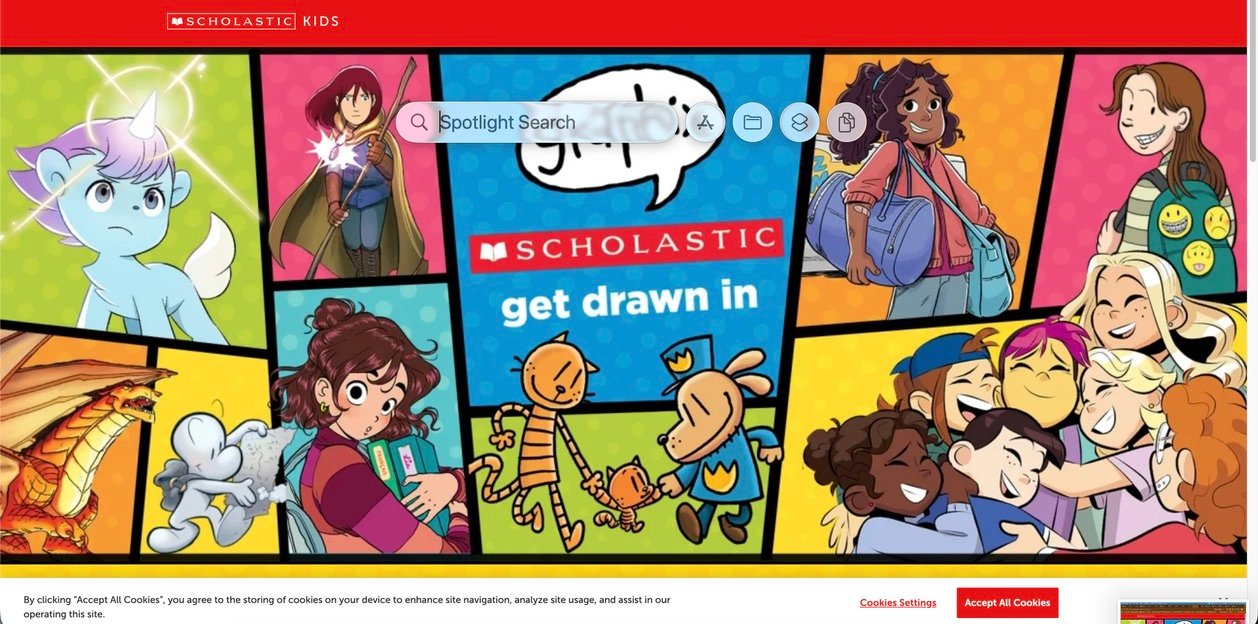
Guide: How to Pitch & Get Published by Scholastic Graphix
This guide breaks down exactly how to move from a “sketchbook idea” to getting paid to write and draw for Scholastic Graphix — the world’s most famous publisher of graphic novels for kids.
You will learn the difference between “blogging” and “book publishing,” how to structure a professional pitch packet, how to find an agent, and what kind of money you can expect to earn using data from Creator Resource.
Section 1 · The Industry
Books vs. Articles: Knowing the Difference
Unlike websites that pay you $100 for a single blog post, Scholastic Graphix is a book publisher. You are not writing a “guest post”; you are creating a product (a book) that will sit on shelves in libraries and bookstores. This means the timeline is longer, the money works differently, and the quality bar is higher.
The “Big Leagues” of Kid Lit.
- Format: 150–250 page books.
- Timeline: 1–2 years to produce.
- Payment: Large advance ($15k–$100k+) paid in chunks.
- Entry: Requires a literary agent.
The “Build Your Own” Path.
- Format: Weekly strips or articles.
- Timeline: Instant publishing.
- Payment: Ad revenue, Patreon, or freelance rates ($50–$300).
- Entry: Open to everyone.
Note for Beginners: Many Graphix authors (like Raina Telgemeier) started by publishing their work online (webcomics) to build an audience before getting a book deal.
Section 2 · The Audience
What is Graphix Looking For?
Scholastic Graphix isn’t looking for superhero comics like Marvel or DC. They focus on stories that resonate with kids aged 6–12. According to their catalog, successful books usually fit into these categories:
| Genre | Description | Famous Examples |
|---|---|---|
| Memoir | Real-life stories about growing up, school, dental drama, or friendship. | Smile, Sisters, Sunny Side Up |
| Humor | Silly, fast-paced, laugh-out-loud funny. Often irrelevant. | Dog Man, Bird & Squirrel |
| Fantasy/Adventure | Epic journeys, magic, and world-building for kids. | Bone, Amulet, Wings of Fire |
| Adaptations | Turning famous novels (like The Baby-Sitters Club) into comics. | BSC Graphix, I Survived |
Section 3 · The Product
How to Build a “Pitch Packet”
You do not need to draw the entire book before you sell it. For a graphic novel, you need a Pitch Packet. This is a 10–20 page document that sells your idea.
The “Elevator Pitch”
One or two sentences that summarize the whole hook. Example: “A young girl gets braces after a bad fall and has to navigate middle school with major dental drama.”
The Full Story Summary
A 1–2 page summary of the entire plot, including the ending. Editors need to know you have a structured story, not just a cool idea.
Who are the stars?
Draw your main characters in different emotions (happy, sad, angry) and full-body poses. Show their personality through their design.
The “Proof”
Crucial: Include 5–10 fully finished pages (inked, colored, and lettered). This proves you can actually execute the work professionally.
Section 4 · The Gateway
Getting an Agent (You Likely Need One)
Scholastic Graphix is a “Big Five” publisher. They rarely accept unsolicited manuscripts (meaning pitches sent directly by you). To get your pitch onto an editor’s desk, you usually need a Literary Agent.
Section 5 · Money Matters
How Much Do You Earn?
Using data from Creator Resource and industry surveys, here is what beginners can expect in traditional graphic novel publishing.
Publisher pays you upfront to create the book. For a debut middle-grade graphic novel, advances often range from $15,000 to $40,000+ depending on the buzz. This is paid in installments (Signing, Delivery of Sketches, Delivery of Final Art, Publication).
Once your book earns back the advance (sells enough copies), you start earning royalties. This is typically 8% to 10% of the cover price per book sold. For huge hits like Dog Man, this is where the real money is.
Page Rates (Work for Hire): Sometimes Scholastic hires artists to draw adaptations (like Wings of Fire). According to Creator Resource, page rates can range from $100 to $300 per page for pencils/inks/colors.
Section 6 · The Alternative
Start Small: Guest Posts & Webcomics
If a full book deal feels too far away, you can start earning money and building a reputation by writing articles about comics or publishing short webcomics.
| Method | What to do | Potential Earnings |
|---|---|---|
| Write Tutorials | Write “How to Draw” or “Clip Studio Paint” tutorials for sites like SitePoint or specialized art blogs. | $100–$300 per article |
| Webtoon / Tapas | Publish weekly episodes. Earn via ad revenue sharing or creator funds. | Varies ($0 to $2k+/month) |
| Patreon | Build a fanbase on social media and offer behind-the-scenes content. | Subscription income |
Section 7 · Resources
Essential Links for Research
Bookmark these to stay updated:
- Scholastic Graphix Official Site – Study their current books.
- Creator Resource – Check rates and fairness in the industry.
- Agent Query – Find agents who represent graphic novels.
- SCBWI – Society of Children’s Book Writers and Illustrators (Networking).