


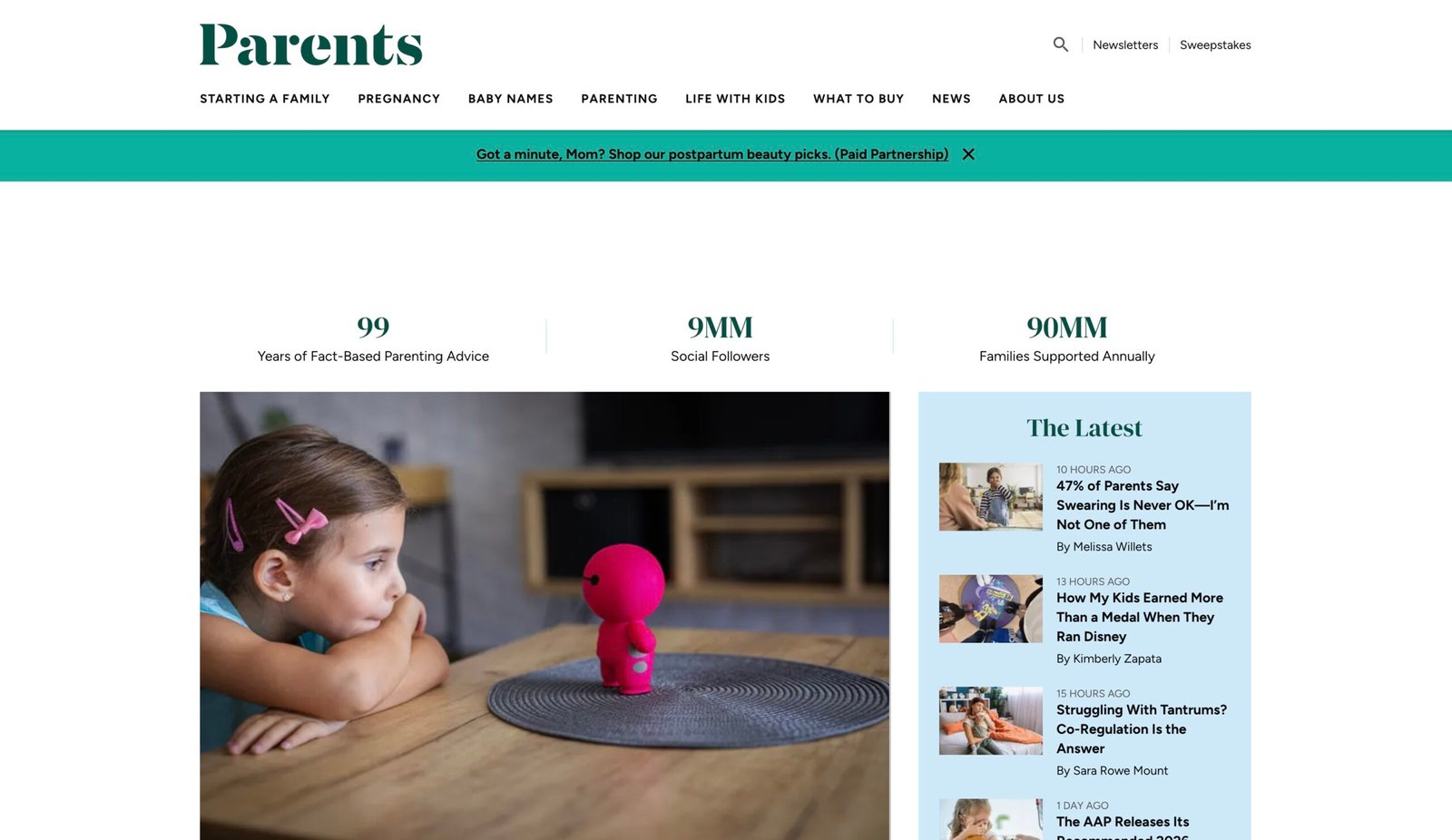
Guide: How to Write for Parents.com (and Earn Money) — Step by Step
This guide helps a total beginner learn how to research Parents.com, understand what it publishes, and create professional pitches so you can write blog posts, articles, magazine-style features, or guest-style service content and earn money through freelance writing.
We start from the official About + Contact page because that is the most reliable place to find real contact routes: Parents.com About Us and especially the Contact Us section.
You’ll also learn how to write “Parents.com-style” content (clear, supportive, helpful, and responsible), and how to turn those skills into money: assignments, repeat work, portfolio growth, and better-paying clients.
Section 1 · Understand the publication
What Parents.com is and what kinds of content it wants
Parents.com is a mainstream parenting and family lifestyle website. That means its content is designed for people who are busy, emotional, overwhelmed, and looking for quick answers. A Parent reader is not reading like a student. They are reading like someone who says: “Please tell me what to do next.”
Before you pitch anything, spend at least 30 minutes exploring the site: Homepage, About Us, and the Contact Us section. A professional writer always starts from official pages so they do not waste time.
Service articles are the most common type of parenting content online. They are practical guides, steps, scripts, and checklists. They solve everyday problems and reduce stress.
- Example topics: sleep, feeding, routines, tantrums, school stress, sibling conflict, screen time.
- Style: calm, supportive, no shame, easy steps.
- Reader promise: “Do this today and you’ll feel better.”
Beginners should start with service articles because they do not always require heavy interviews. But they still require accuracy and responsibility.
Parenting websites often publish product roundups and buying guides. These guides help parents choose gear, avoid regrets, and compare options.
- Example topics: strollers, car seats, baby monitors, diaper bags, bottles, toddler beds.
- Must include: criteria, who it’s for, safety notes, and real usage scenarios.
- Important: avoid fake reviews; never claim testing you didn’t do.
Product writing can pay well, but it must be trustworthy. Editors reject “generic shopping fluff.”
Parents.com (like most large brands) also publishes “explainer” content: child development, health basics, mental health, pregnancy guidance, and family wellbeing. When writing health-related topics, you must be extra careful. You should never give medical advice. You should include “talk to a clinician” guidance where needed.
| Format | Reader goal | What your draft must include | Beginner-safe example headline |
|---|---|---|---|
| Service guide | Fix a parenting problem fast | Steps, scripts, mistakes, checklist | “A calm bedtime routine for toddlers (7 steps)” |
| Explainer | Understand a term without panic | Definition, examples, resources, when to seek help | “What emotional regulation means for kids” |
| Shopping guide | Buy the right thing | Criteria, comparisons, safety considerations, FAQs | “How to choose a travel stroller (simple checklist)” |
| Essay + takeaway | Feel seen and learn something useful | Story + practical advice + resources | “What I learned after parenting burnout (and what helped)” |
Now do a “brand tone scan”: open 5 random articles from the homepage and study how quickly they deliver tips, how short the paragraphs are, and how they use headings. You are not copying words. You are learning the style of helpful writing.
Section 2 · Fit your idea
How to choose topics Parents.com is likely to accept
Beginners often fail because they pitch a topic that is too broad, too emotional, or too “opinion-based.” Parents.com is mostly problem-solution writing. Use these checks to design a pitch that feels safe, useful, and professional.
Is it a real parenting question people search?
Strong topics are searchable questions. Ask: “Would a parent type this into Google at 2 AM?” If yes, your idea is probably strong.
- Sleep: “toddler wakes at 3 AM”
- Food: “kid refuses vegetables”
- Behavior: “hitting at daycare”
- School: “separation anxiety at school”
- Family life: “how to stop yelling”
Is your angle specific (not generic)?
“Potty training” is generic. “Potty training when your child is afraid of the toilet” is specific. Editors want specific angles because they are easier to read and easier to rank.
- Broad: “picky eating”
- Specific: “picky eating without pressure (14-day plan)”
- Broad: “tantrums”
- Specific: “tantrums in public: calm scripts you can use”
Can you support it with credible sources?
Parenting writing is high-trust writing. Even if you are not a doctor, you must reference trustworthy sources. Use organizations like: AAP, CDC, WHO, NHS, ACOG.
If your topic is medical or mental health related, propose expert quotes (pediatrician, therapist, lactation consultant, teacher, etc.).
Does your idea match the supportive tone?
Never pitch shame-based parenting content. Your pitch language should be supportive: “Many parents struggle with this,” “Every family is different,” and “Here are options.”
- Avoid: “bad parents,” “lazy,” “just do this”
- Prefer: options, flexibility, realistic steps
- Health topics: include “talk to a clinician” guidance
| Bucket | Search question | Pitch angle | Proof to include |
|---|---|---|---|
| Sleep | “Toddler won’t stay in bed” | “7-night plan with scripts + routine” | Steps + common mistakes + expert guideline references |
| Food | “My kid eats only carbs” | “Pressure-free picky eating plan” | Nutrition guidance + real examples |
| Behavior | “My child hits” | “Replacement behaviors + calm scripts” | Child development sources + examples by age |
| Shopping | “Best stroller for travel” | “Travel stroller checklist + comparisons” | Specs + criteria + safety notes |
Section 3 · Prepare yourself
Build a beginner portfolio (clips) that editors trust
Parents.com is a large brand, so editors usually prefer writers who can show proof. Proof means: you can write clearly, structure content well, and be responsible with sources. That proof is called your clips (published writing samples).
Start with any platform: WordPress, Medium, Substack, Blogger, or even a free portfolio site. Your goal is not to be famous. Your goal is to show you can write the type of content Parents.com publishes.
- 1 service guide (how-to, steps, scripts)
- 1 explainer (definition + examples + resources)
- 1 product guide (criteria + comparisons)
- 1 “tips” article (quick bullets, checklists)
- Optional essay (story + takeaway, protect kids’ privacy)
Now do one powerful move: add a “Sources & References” section at the end of every clip. Parenting editors like writers who build trust. It makes you stand out.
| Clip type | Best length | Must include | Why it helps you |
|---|---|---|---|
| Service guide | 1200–2000 words | steps, scripts, mistakes, checklist | shows you can help parents fast |
| Explainer | 900–1500 words | definition, examples, resources | shows you can explain calmly |
| Product guide | 1200–2500 words | criteria, comparisons, FAQs | shows you can write shopping content |
Section 4 · Practical workflow
Step-by-step pitching workflow (email/contact form)
Parents.com may not have a classic “Write For Us” guest post page. Many big publications work by assignments: you pitch, an editor assigns, you write, you get paid. That is normal.
Your first job is to find the right contact route: About Us and Contact Us. If there is a general form, use it professionally with a clear subject line so it is routed to editorial.
Pick 2–3 ideas (not 1)
Editors like choices. If they reject one idea, they may accept another. Choose two service topics and one optional shopping topic.
Validate your idea using “site search”
Search Google using: site:parents.com your keyword and note existing articles. Your pitch should explain: “This is different because…”
Create a mini-outline + trust plan
Outline = headings. Trust plan = credible sources + expert type (optional). This makes your pitch low-risk for editors.
Send a short pitch message (under 250 words)
Do not send a full article draft. Send a professional query with clips and outlines.
Copy-paste pitch template:
Subject: Freelance Pitch — [Specific headline promise] (Parents.com)

Hi [Parents.com Editorial Team],

I’m a freelance writer focused on clear, evidence-informed parenting guides.
Here are 2 relevant clips:
1) [Link] — [one-line description]
2) [Link] — [one-line description]

I’d love to pitch this service article:
• Working title: “[Your headline]”
• Audience: [age range + situation]
• Why it matters: [1–2 lines]
• Outline: [5–7 headings]
• Trust plan: I will reference [AAP/CDC/WHO/NHS] and can include an expert quote from [expert type].

If this fits your editorial needs, I can deliver a clean draft within [X] days after assignment.

Thank you,
[Your Name]
[Email] · [Portfolio link]Section 5 · Money side
How to actually earn money (and grow income over time)
Freelance writing income grows through 4 layers: (1) assignment fees, (2) repeat assignments, (3) better clients using your bylines as proof, and (4) product income streams (affiliate, sponsored content, etc.) on your own website.
- Freelance fees: paid per article assignment.
- Repeat work: same editor hires you again.
- Portfolio power: your clips help you pitch higher-paying sites.
- Your own blog: ads, affiliates, digital products, coaching, newsletter.
The best long-term strategy is: publish + pitch + repeat. This creates stable income.
- Flat fee: you get paid for one piece.
- Rights: publication may own or license the article.
- Exclusivity: you may not republish immediately.
- Edits: editors can request revisions before publishing.
Always read the agreement carefully. If something is unclear, ask politely for clarification in writing.
| Skill | What it improves | How to practice | Money result |
|---|---|---|---|
| Better pitching | More assignments | Write 10 ideas weekly + mini-outlines | More paid work |
| Fast clean drafts | Editor trust | Use templates + checklists | Repeat work |
| Niche expertise | Higher rates | Focus on one parenting category | Higher pay long-term |
| Portfolio growth | Better clients | Publish consistent clips | More opportunities |
Section 6 · Ethics & AI
Parenting writing safety rules (very important)
Parenting and family content is high-stakes. Bad advice can cause harm. So your professional writing must follow safety rules.
- Never give personal medical advice.
- Never invent doctor quotes or research statistics.
- Never shame parents or call them bad.
- Never expose identifying details about children.
- Never fake product testing.
AI rule: You can use AI for outlines and clarity edits, but you must verify all facts and never publish AI-generated “medical” claims without reputable sources. Your name is on the article.
Section 7 · Micro-SOP
Final checklist before you pitch Parents.com
Use this checklist before every pitch. It prevents beginner mistakes.
Section 8 · FAQ + link library
FAQ for beginners + many useful links
- AP Stylebook
- Purdue OWL Journalism Basics
- CDC Health Literacy (plain-language writing)
- Plagiarism.org (avoid plagiarism)
- Google Scholar (research search)
Best practice: Make your own bookmark folder called “Parenting Sources.” Use these links repeatedly so your writing always stays trustworthy.