


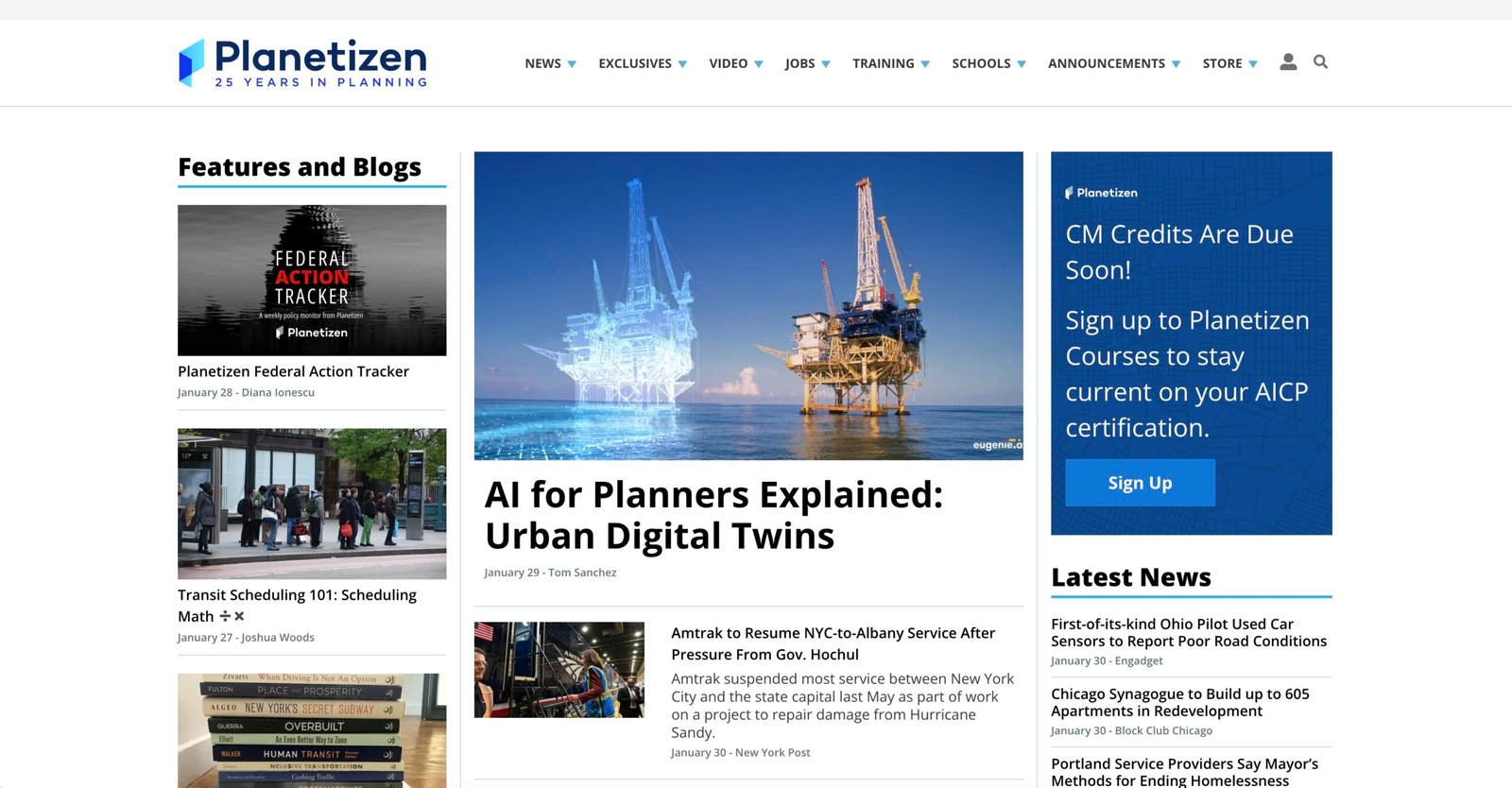
Guide: How to Write for Planetizen (Step by Step) — and Build a Real Earning Path
Planetizen is a planning-focused platform that publishes news, features, expert blog posts, and learning resources for people who care about the future of the built and natural environment. If you want to write about housing, transport, climate, zoning, urban design, governance, equity, and cities, Planetizen is one of the most visible places online in this niche.
In this mini-course, you will learn: (1) what Planetizen publishes (and what they reject), (2) how to choose a “Planetizen-shaped” idea, (3) how to research and write it, (4) how to pitch or submit the right way, and (5) how to turn one byline into more paid writing opportunities.
You will also get a beginner-friendly pitch builder, multiple writing templates, a checklist, and a 30-day action plan. Keep this open while you browse the official contributor page: Write for Planetizen.
Section 1 · Understand the publication
What Planetizen is — and why it matters for your writing career
Planetizen is a planning-focused media and education platform. In plain words, it helps planners and people who love cities learn what is happening, what it means, and what tools and ideas can improve places. If you want to write about cities, regions, housing, transit, land use, climate, resilience, public space, zoning, equity, governance, and design, Planetizen is a strong match.
Here is the most important mindset shift: Planetizen is not a general lifestyle blog. It is a professional niche publication. That means the writing standards are higher, readers are smarter, and vague “fluffy” pieces do not work. But it also means one strong Planetizen byline can help you: get clients, get consulting gigs, get speaking invites, get course sales, and get more paid assignments elsewhere.
Planetizen publishes multiple types of content. The big ones for writers are:
- News and the daily/regular news experience (read: News).
- Exclusives like features, blogs, Planopedia entries, and other editorial work (read: Exclusives).
- Planopedia (definitions and explainers): Planopedia.
- City Profiles (city-by-city planning lens): City Profiles.
- Opinion / Editorial (Op-Ed) guidelines exist too: Op-Ed Guidelines.
- Courses and training (great for subject experts): Planetizen Courses.
Your first job is to pick the best “entry door” based on your current skill and time. This guide shows you how.
Planetizen readers include:
- Urban & regional planners, planning students, and planning commissioners.
- Urban designers, architects, transportation professionals, housing professionals.
- Policy analysts, public-sector workers, researchers, advocates, and engaged citizens.
- People who already know basic planning language and want useful clarity, not hype.
So your writing must be: specific, fair, well-sourced, and actionable. You can still write like a beginner — you just must do careful research and explain clearly.
| Goal | What you do on Planetizen | Why it helps you earn money |
|---|---|---|
| Get visible in the planning niche | Submit Newsfeed items, write a blog, pitch a feature | Planning niche = high trust. Trust leads to higher pay rates. |
| Build authority fast | Write one strong “flagship” feature + keep a consistent topic focus | One flagship piece becomes your portfolio anchor. |
| Create a repeatable income path | Pitch regularly, collect bylines, expand to other paying outlets | Bylines create social proof for better-paying clients and editors. |
Section 2 · Choose your format
Pick the right content type (this choice changes everything)
Beginners usually make one big mistake: they start writing before choosing the right format. Planetizen has multiple contribution types, and each has a different purpose. If you choose the right format, the writing feels easier and the editor is more likely to say “yes.” If you choose the wrong format, even a smart idea can get rejected.
Use the official page as your base: Write for Planetizen. Below is a beginner-friendly translation of what the main formats mean.
| Format | What it is (simple explanation) | Typical length | How it’s used | Money angle (realistic) |
|---|---|---|---|---|
| Newsfeed item | A short summary + link to a planning-related story from another source, with a little context. | ~150–400 words | Fast, frequent “what happened and why it matters” writing. | Often not a direct pay route, but it builds consistency, visibility, and editorial trust. |
| Feature / Exclusive | A deeper original story: analysis, reported piece, case study, or big “how-to” with planning insight. | ~1,200–2,500 words | Flagship content. Strong portfolio piece. Requires a pitch. | Best direct pay potential if you qualify under their writer criteria. Also best for career leverage. |
| Blog post | A personal but professional voice: opinion + analysis, lesson from practice, reaction to news, or ideas. | ~800–1,500 words | Ongoing voice. Builds your “column” identity. | Often used to build authority; can lead to paid consulting, speaking, paid writing elsewhere. |
| Book review | A structured review of a planning book: what it argues, what it does well, who should read it. | ~1,000–2,000 words | Great for beginners who read and want to build credibility. | Indirect money: byline + niche positioning + future assignments. |
| Op-Ed / Editorial | A strong argument about a planning issue with evidence and a clear stance. | Varies (often ~800–1,500+) | Thought leadership. Must follow submission rules. | Indirect money: authority + invites + leads; sometimes pays elsewhere too. |
| Course instruction | Teach a planning topic as a structured course (video/online learning). | Course-based (hours) | Education product format. | Direct pay route if you have expertise and teaching ability. |
If you are a complete beginner, start with Newsfeed or Book Review
Newsfeed items teach you speed, summarizing, and linking to sources. Book reviews teach you structure and clarity. Both help you build a public track record even before you pitch a major feature.
Start here: Planetizen News and Write for Planetizen.
If you want a flagship byline, aim for a Feature
A feature is your “resume article” — the one you show clients and other editors. It must be original, timely, and well researched. The pitch must be clean, specific, and helpful for Planetizen readers.
Read exclusives to understand the style: Exclusives.
If you have a clear perspective, build a recurring Blog voice
A Planetizen blog is not a casual diary. It is “expert blogging”: your opinion + your professional reasoning + your evidence. Over time, a strong blog voice can bring you consulting and speaking leads.
For more ways to engage, see: Engage / Write with Planetizen.
Section 3 · Pick winning angles
How to choose topics that editors accept (and readers actually share)
Planning is a huge topic. If you try to write “everything,” your article becomes shallow. Planetizen-style writing works best when you choose a narrow, useful angle and then explain it clearly. Use this simple formula:
Angle Formula: Specific issue + real-world example + what planners can learn or do. For example: “Upzoning” is too broad. But “What happened after upzoning near a specific transit corridor, and what the data shows” is a strong angle.
- Housing & land use: zoning, missing middle, affordability, permitting, ADUs.
- Transportation: transit service, complete streets, Vision Zero, parking reform.
- Climate & resilience: heat, flooding, wildfire planning, adaptation strategies.
- Governance & process: public meetings, commissions, engagement, ethics.
- Equity & inclusion: displacement, accessibility, inclusive planning outcomes.
- Tools & methods: comp plans, zoning codes, form-based code, data methods.
Browse Planetizen sections to “feel” the editorial gravity: News and Exclusives.
- Can you mention a place (city, corridor, region) instead of “in general”?
- Can you mention a policy (zoning reform, parking minimum removal, TOD, etc.)?
- Can you mention a metric (ridership change, permits, rent growth, emissions)?
- Can you include one counterpoint (what critics say and why)?
- Can you end with one practical takeaway for planners?
Your pitch gets stronger when your topic includes a place, a policy, and a measurable outcome.
| Bad topic (too broad) | Better topic (Planetizen-shaped) | Best topic (editor-friendly) |
|---|---|---|
| “Affordable housing” | “How inclusionary zoning works” | “Inclusionary zoning in City X: what changed, what didn’t, and why” |
| “Public transit” | “Bus frequency and ridership” | “A simple frequency redesign in City Y: before/after results and lessons” |
| “Climate change” | “Urban heat strategies” | “Cool roofs + shade program in Neighborhood Z: cost, equity, and measurable impact” |
| “Zoning” | “Parking minimum reform” | “What happened after parking minimums ended downtown: business claims vs data” |
Section 4 · Research system
Research like a planner (without getting overwhelmed)
Planning writing must be credible. Credibility comes from three things: (1) good sources, (2) correct interpretation, and (3) honest framing. You do not need to be a PhD researcher — but you do need a repeatable research process.
Use this simple research loop for any Planetizen-style piece: Collect → Verify → Compare → Explain → Link. Below is the beginner version of that system.
Collect 8–12 sources (fast) before you write
Start with Planetizen itself because it shows what this audience reads. Use these sections as your “source router”:
- News (what’s happening now)
- Exclusives (deep thinking)
- Planopedia (definitions)
- City Profiles (place lens)
- Events (conferences, webinars)
- RFPs (what work cities are hiring for)
- Jobs (what skills are in demand)
Then add 3–5 “primary sources” (the best kind): a city report, a code update, a budget document, a peer-reviewed paper, or a reputable national agency dataset. Primary sources create trust and reduce errors.
Verify: check dates, geography, and who said what
Planning stories often get messy because people mix different time periods or confuse “proposal” with “adopted policy.” Do a quick verification pass:
- Date check: When did this happen? Is it a draft, a vote, or an implemented change?
- Place check: City boundaries matter. Are we talking city, county, metro region, or state?
- Definition check: Use Planopedia to keep definitions consistent: Planopedia.
- Attribution check: If a report says “experts claim,” find the original claim or remove it.
This “verify step” is what separates professional writing from internet opinions.
Compare: show the reader multiple viewpoints (without becoming neutral mush)
Planning debates are rarely “one side good, one side bad.” Good articles show the tradeoffs. You can do this simply:
- Find one source that supports the policy.
- Find one serious critique (not a random angry tweet).
- Explain what each side cares about: cost, equity, safety, displacement, feasibility.
- Then tell the reader what your evidence suggests.
This keeps your writing credible while still allowing you to have a clear argument.
Explain: “What does this mean for practice?”
Planetizen readers like articles that translate knowledge into decisions. Add a section called “What planners can do next” or “Practical takeaways”. Even if you are a beginner, you can still add practical takeaways by summarizing what your sources recommend.
A simple template: Situation → constraint → options → recommendation → example.
Link: make your piece “learnable” with lots of helpful links
Planetizen-style articles often include links because planning is a field built on references: codes, plans, maps, data, and case studies. Links reduce confusion and increase trust. Use links in three places:
- Early links: definitions (Planopedia) and core documents.
- Middle links: key evidence and examples.
- End links: deeper reading for ambitious readers.
Section 5 · Write the piece
Writing templates you can copy for Newsfeed, Feature, Blog, Review, and Op-Ed
Good planning writing is not magic. It is structure. Once you have a structure, you can “fill in the blanks” with your research. Below are clean templates. You can copy them into your writing doc and draft fast.
Goal: summarize a key planning story and link to the original source.
- Headline: “City X adopts Y policy (or debates Y policy)”
- 1–2 sentence lede: what happened + why planners should care.
- 3–5 bullets or short paragraphs: key details (who, what, where, when, how).
- Context: one definition link (Planopedia) + one prior similar example.
- Link out: original article/report link (the “source”).
- One line commentary: what to watch next (vote date, implementation, lawsuit, metrics).
Helpful sections: News, Engage / Write, Planopedia.
Goal: produce a flagship original piece with evidence and practice relevance.
- Hook story: a real moment (meeting, project, neighborhood change, statistic surprise).
- What’s the problem: define the issue and who it affects.
- What changed / what is proposed: policy, plan, or trend.
- Evidence: data + research + credible quotes.
- Tradeoffs: benefits, risks, and who disagrees.
- Case study: 1–2 cities or projects with detail.
- Practical takeaways: what planners can do next.
- Resources: links for deeper learning.
Browse exclusives for tone: Exclusives.
Goal: share a strong perspective grounded in practice and evidence.
- Personal entry: “Here’s what I noticed / learned / struggled with…”
- The claim: one clear argument (not 10).
- Evidence: 2–4 sources + one example you have seen in practice.
- Counterpoint: what a thoughtful critic would say.
- Resolution: what you recommend and why.
- Takeaway: one action a planner can apply this week.
Bonus: connect to Planopedia definitions: Planopedia.
Goal: help readers decide if a planning book is worth their time.
- What the book claims: 2–3 sentences.
- Best insights: 3–5 key ideas with short explanation.
- Evidence quality: does the author support claims well?
- Blind spots: what the book misses or oversimplifies.
- Who should read it: planners, students, commissioners, advocates?
- How it connects to real planning practice: 1–2 examples.
- Verdict: short, fair conclusion.
For book review pitching, see: Write for Planetizen and Planetizen Store for book context: Store.
Section 6 · Build credibility
The portfolio ladder: how a beginner becomes “publishable” fast
Editors are not only buying your idea — they are buying your ability to deliver. If you are new, your best strategy is to build a simple ladder of proof. This ladder makes your pitch stronger and makes it easier to ask for better pay later.
Write 3–5 planning pieces in public. Use any of these:
- Your own blog (WordPress, Ghost, etc.)
- Medium or Substack (if you already use them)
- LinkedIn articles (strong for professional audiences)
- A simple Google Doc portfolio page (shareable link)
Each sample should show: clear structure, sources, and one practical takeaway. Make at least one sample a “news summary” and one a “deep analysis” to show range.
Planning is broad. Pick one “home topic” for 30 days:
- Housing approvals & zoning reform
- Transit operations & service design
- Active mobility and safety (Vision Zero, complete streets)
- Climate adaptation (heat, flood, wildfire)
- Public participation and governance
When your topic focus is narrow, editors trust you faster. You can always broaden later.
Pick 5 pieces you like from: Exclusives. Outline them: headings, evidence, takeaways, and how they link to sources.
- Notice headline style: clear, descriptive, not clickbait.
- Notice paragraph length: usually short, readable blocks.
- Notice “why it matters”: the writer connects facts to practice.
Your pitch becomes stronger because your outline “sounds like Planetizen.”
Planetizen is a community. Simple non-spam ways to engage:
- Create an account / join (see: Engage / Write).
- Submit high-quality Newsfeed items consistently.
- Share Planetizen pieces with thoughtful commentary on LinkedIn.
- Attend events listed on: Events.
Editors notice consistency and professionalism. Over time, that improves your acceptance rate and your negotiation power.
Section 7 · Pitch & submit
Step-by-step: how to pitch Planetizen the right way (and avoid instant rejection)
Planetizen has clear submission rules. The biggest beginner mistakes are: (1) sending a full unsolicited article when they asked for a pitch, (2) pitching something too broad or not relevant, (3) writing a promotional piece, (4) ignoring rules about AI or originality, and (5) not including credible links and samples.
Your success improves when you treat your pitch like a small product proposal. Use this step-by-step process.
Read the official pages slowly (don’t guess rules)
Read: Write for Planetizen and Engage / Write. These pages explain content types, how submissions work, and what they do not accept.
If you want to pitch an editorial/op-ed, also read: Op-Ed Guidelines.
Decide your submission route: “submit” vs “pitch”
Use this rule:
- Newsfeed: you typically submit the news item (after you have an account).
- Features / Blogs / Book reviews: you pitch first, and you wait for approval before writing the full piece.
- Op-Ed: you pitch a short abstract first (not the whole article), then follow the editor’s process.
If you are unsure, pitch first. Pitching saves time and reduces rejections.
Create a “one-page pitch” (this is what editors want)
Your pitch should contain:
- Working title (clear, descriptive)
- 1–2 sentence summary of what the piece argues or explains
- Why it matters to Planetizen readers
- Outline (5–9 bullet headings)
- Sources you will use (3–6 links)
- Your credibility (short bio + 2–3 sample links)
- Disclosure (any conflicts of interest)
This one page proves you are organized — a strong acceptance signal.
Use the correct contact method
Planetizen provides specific contacts on the contributor pages. Always use the official method on: Write for Planetizen and Op-Ed Guidelines.
Helpful: if you are pitching by email, keep it short, clean, and link-based. Put your outline inside the email, and your longer notes in a Google Doc link.
Follow up like a professional
Editors are busy. Wait politely, then follow up once. Your follow-up message should be short: “Hi, just checking if you saw this pitch. Happy to adjust angle or provide more sources.”
If you do not get a yes, reuse the same research and publish elsewhere (your blog, LinkedIn, or another outlet). Never waste good research.
Section 8 · Money & rights
How you actually earn money (directly and indirectly) from Planetizen writing
Let’s be very honest and practical: “earning money” from writing has two paths.
Path A: Direct pay (the publication pays you a fee). Path B: Indirect pay (the byline leads to clients, jobs, consulting, speaking, and better-paying writing elsewhere).
Planetizen has specific rules about who is paid and for what. Your job is to understand those rules and then build a strategy: either qualify for direct pay assignments, or use Planetizen as a credibility engine to unlock higher earnings outside.
Direct pay is usually possible when:
- You are a professional writer (writing is your main income), and you pitch the formats that are paid under their rules.
- You can deliver high-quality, original, timely work with strong sources.
- You are willing to work with editors, revise, and meet deadlines.
Always confirm the latest pay details on: Write for Planetizen.
Indirect pay is how many beginners start earning. Here’s how it works:
- You publish credible planning pieces (news summaries, reviews, blogs, a feature).
- You build a public “proof trail” that shows your thinking quality.
- You then pitch other paying outlets, planning firms, nonprofits, universities, or agencies.
- Your Planetizen byline becomes instant social proof.
This route is especially strong if you are a planner, student, or practitioner who writes well.
| Earning method | What you do | Why it works | Beginner difficulty |
|---|---|---|---|
| Direct fee assignment | Pitch, get approval, write, invoice | Immediate money, editorial credibility | Medium–High |
| Consulting leads | Write strong “how-to” or case-study content | Clients trust writers who explain practice | Medium |
| Speaking/workshops | Publish thought leadership and share it | Event organizers need credible voices | Medium |
| Better-paying writing elsewhere | Use Planetizen clips in pitch emails | Bylines reduce risk for other editors | Low–Medium |
| Course creation | Teach planning topics (Planetizen or elsewhere) | Education pays well if you can teach | Medium–High |
Section 9 · Publish & reuse
Editing, fact-checking, promotion, and “repurpose without getting in trouble”
Publishing is not the end. It is the start of your “distribution” phase. If you want money from writing, you must learn to: (1) work with edits, (2) ensure facts are correct, (3) help readers find the piece, and (4) reuse the work ethically to create more value.
- Be fast: respond within 24–48 hours if possible.
- Be specific: if you disagree, show evidence and propose a compromise.
- Be humble: editors improve clarity; don’t fight small wording.
- Protect facts: if a change introduces an error, explain and fix it.
- Link everything: when you revise, update links and citations.
Editors prefer writers who are cooperative, accurate, and calm. That leads to more assignments.
- Every statistic has a source link.
- Every quote has a name and context.
- Every city/program name is spelled correctly.
- Dates and “adopted vs proposed” are correct.
- Your definitions match Planopedia or other credible references.
Use Planopedia when you need consistent terms: Planopedia.
Use a simple 3-post sharing sequence:
- Post 1 (launch): the key insight in 2 lines + link to your article.
- Post 2 (2–3 days later): one chart/quote + “here’s why this matters for practice” + link.
- Post 3 (1 week later): “common questions people asked” + quick answers + link.
Also share the article in relevant professional groups and to colleagues who would benefit. Do not spam. Only share where it truly fits.
Repurposing means turning one piece of research into multiple helpful formats. But you must respect the publication agreement and timing rules.
- Safe repurpose: create a new LinkedIn post summarizing your own insight (not copying the full text).
- Safe repurpose: make a “checklist” or “framework” inspired by the article.
- Safe repurpose: turn it into a talk outline and cite the published piece.
- Not safe: copy/paste the whole article onto your blog immediately.
If you want to republish the exact article, follow reprint rules on: Write for Planetizen.
Section 10 · Action plan
30-day beginner plan + final checklist + FAQ + massive link library
If you do not have a plan, you will read and learn forever but never publish. This 30-day plan forces output. You will publish at least 3 pieces, build a pitch, and be ready to submit or pitch Planetizen.
| Week | Main goal | What you produce | Where you learn (links) |
|---|---|---|---|
| Week 1 | Understand Planetizen + pick your niche | Topic list + 10 sources + 1 outline | Write for Planetizen, News, Exclusives |
| Week 2 | Write and publish 2 Newsfeed-style items (practice) | 2 short published pieces | Engage / Write, News |
| Week 3 | Write 1 deeper analysis (blog-style) and publish | 1 long post (800–1500 words) | Planopedia, City Profiles |
| Week 4 | Build and send a pitch (feature/blog/review/op-ed) | 1 clean pitch + sources + outline | Write for Planetizen, Op-Ed Guidelines |
If you follow this plan, you will not only “learn,” you will have public proof of your skill — and that is what unlocks money.
FAQ: beginner questions (quick answers)
- American Planning Association (APA)
- AICP info (for context on professional planning)
- US Census (population, housing data)
- HUD User (housing research)
- National Household Travel Survey (travel behavior)
- US DOT
- US EPA (environmental planning)
- IPCC (climate science summaries)
- NOAA (climate and hazards)
- Government reports and public documents (as needed)