


Guide: How to Pitch and Get Paid Writing for Metro Parent (Step by Step)
This long-form guide walks a beginner through researching Metro Parent, finding locally-relevant ideas, building samples, submitting strong pitches (via their contact options / submission system), and turning bylines into steady income. It includes sample outlines, pitch templates, monetization ideas, and many helpful links to speed your learning.
Keep this guide open while you work on your idea. Every time it mentions a Metro Parent page or contact, there is a direct link you can click.
Section 1 · What Metro Parent is
Quick overview: the publication you want to write for
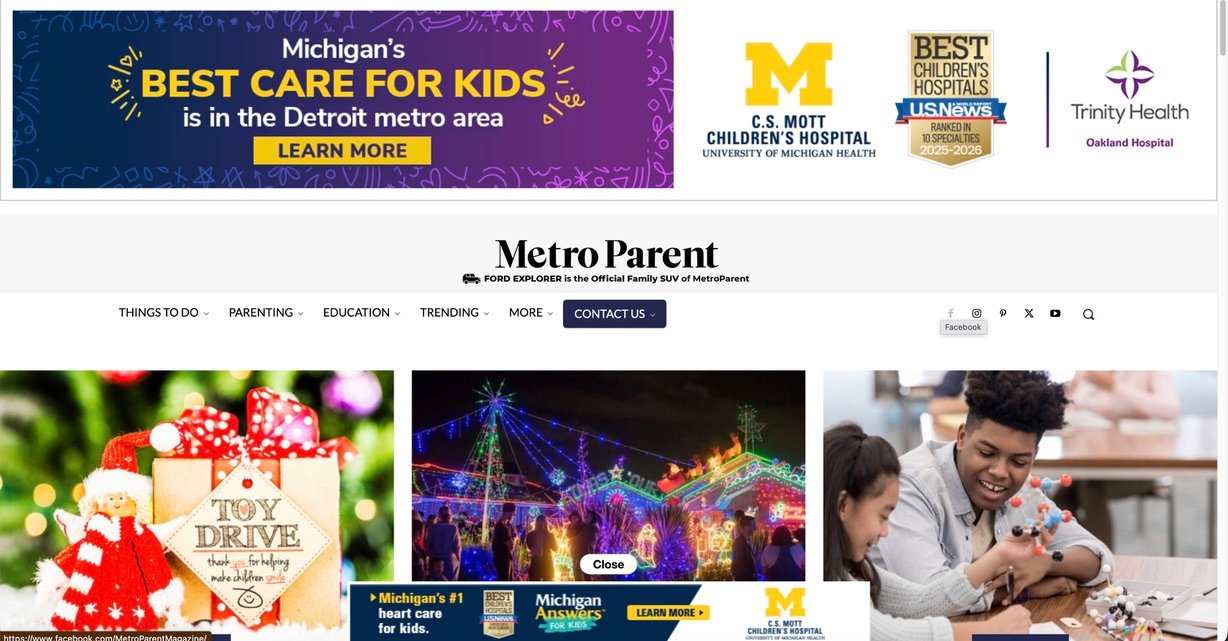
Metro Parent is a long-running, regional parenting magazine and website serving southeast Michigan (metro Detroit and Ann Arbor areas). They publish monthly print issues and regular web content about family life, events, education, special needs, activities, and local resources. The site is used by local parents to find things to do, trusted advice, and event listings. For background and core contact pages, open Metro Parent’s site: metroparent.com.
Why that matters for you: Metro Parent is local — which means editors value specificity. A national parenting listicle is less helpful than a feature about local camps, school-choices in Oakland County, or building Detroit-based support networks. Local reporting, local examples, and local resources will make your pitch stronger.
Section 2 · What they publish
Formats, sections, and the Metro Parent audience
- Feature articles — magazine-style pieces (longer, reported, narrative).
- Practical how-tos — parenting tips, safety, activities, educational advice.
- Event & listing pieces — “What to do this weekend”, camp guides, seasonal roundups.
- Personal essays — honest, local parenting stories (often editor-curated).
- Product reviews & recommendations — careful, useful picks for local families.
- Parents of infants to teens in Southeast Michigan.
- Looking for local events, trusted resources, and practical advice.
- Enjoys readable, actionable content — not jargon-heavy pieces.
Read a handful of recent Metro Parent pieces in the section you want to write for. Scan how the site balances local names, event details, and practical tips — then model your voice to be clear, friendly, and helpful.
Section 3 · Idea checklist
How to find Metro Parent-shaped story ideas
Make your idea geographically specific
Replace “best camps” with “best week-long STEM camps near Ann Arbor for rising 3rd–6th graders” — add locations, phone numbers, registration windows, and whether scholarships are available.
Answer a parent’s immediate question
Think: “What will a stressed parent read and act on in 5 minutes?” Try checklists, timelines, cost tables, and clear next steps (call this number, visit this link).
Line up local sources & quick interviews
Identify 1–3 local experts: camp directors, school counselors, pediatricians, or non-profits. Ask short questions by email or phone and get quotes you can use.
Match the editorial calendar
Plan seasonal pieces: back-to-school (July–August), summer camps (April–June), holiday activities (October–December). Mention dates and registration deadlines.
Section 4 · Build strong samples
How to prepare publishable samples and demos
- At least one well-researched local feature (800–1,500 words) with interviews and links.
- One practical how-to (500–1,000 words) with step-by-step advice and a checklist.
- Optional: a personal essay (600–1,200 words) showing voice and relatability.
- Put these on your blog, Medium, or another outlet you can link to from your pitch.
- One-sentence headline for each sample.
- Short blurb: why it matters and what you did (sources, photos, interviews).
- Clear links — make sure they open and show your byline.
Editors love to see demonstrated ability to find local sources, quote them accurately, and deliver cleanly edited prose. Even small, well-linked pieces show you can finish and publish.
Section 5 · How to submit
Contact routes, Submittable, and best practices
Practical: Metro Parent lists contact and event submission addresses on their Contact page (useful for calendar/event submissions and advertising questions). If you need to reach editors, start there to find the right email and forms. Contact page: metroparent.com/contact-us/. :contentReference[oaicite:0]{index=0}
Submission manager: Metro Parent uses a Submittable instance for some calls and open submissions — check their submissions portal for current open calls (their Submittable page is at metroparent.submittable.com). If there’s an open call, use it; if not, use the editors’ emails on the contact page. :contentReference[oaicite:1]{index=1}
- Short pitch email with your 1-line hook and 3–5 bullet outline.
- Links to 2–3 writing samples (live links with bylines).
- One-sentence bio: who you are and local ties (if you live in the area or have local experience).
- If pitching an event or calendar item, include date, time, location, price, registration link, and a contact phone/email.
Before emailing: read Metro Parent’s “About” and recent posts to confirm your idea fits their audience and tone. The official About page gives mission and audience context you can mention in your email to show research. :contentReference[oaicite:2]{index=2}
Section 6 · Pitch templates & examples
Concrete templates you can copy and edit
Subject line
Pitch: Local: “Pitch — [Short headline] — [Neighborhood / City]”
Body (copy + edit)
Hello [Editor Name],
I’m [Your Name], a writer in [City, MI] who covers parenting, camps, and family life. I’d like to pitch a [web/feature] piece for Metro Parent titled: “[Short headline]”.
- One-sentence hook: This piece helps southeast Michigan parents who [specific need].
- Outline:
- Intro — why this matters now (1 paragraph)
- Section 1 — local context / examples
- Section 2 — practical steps, tips, resources
- Section 3 — local programs / people to contact
- Conclusion / checklist
- Samples: [link1], [link2]
- Timing: Ready to submit a 900–1,500 word draft in 2–3 weeks.
- Bio: [1 sentence: your beat and relevant local ties].
Thanks for considering this — happy to adapt the angle. Best, [Your Name] [phone] [email]
Cover email + mini proposal
Hello [Editor Name],
I’m [Your Name], a freelance writer based in [City]. I proposed a 1,200–1,800 word feature for Metro Parent called “[Headline].” Below is a short proposal and a timeline.
- Hook: Two sentences describing the problem and why local readers will care.
- Why me: Short credentials + links to two similar pieces.
- Sources: Names + affiliation (I can interview X people in the next week).
- Outline: 4–6 bullets showing structure and specific local examples you will include.
- Length & images: Estimated word count and whether you’ll provide photos or need editorial photos.
- Deadline: When you can deliver a full draft.
I’d be glad to adapt the proposal to fit your space. Thanks for your time. — [Your Name]
Section 7 · Money & pay expectations
How much you might be paid (estimates and strategy)
Metro Parent is a regional magazine and different sources report a range for paid contributions. Third-party writer resources and listings report ranges that vary by piece length and feature complexity (small blurbs to full features). Use these reported ranges as a negotiation starting point, and confirm payment directly with the editor or the Submittable listing if one is open. :contentReference[oaicite:3]{index=3}
- Estimate hours for reporting, interviews, writing, edits, and image collection.
- Divide the offered fee by hours to know your effective hourly rate.
- If pay is low, negotiate: offer a smaller piece or a byline-only trade for a higher public portfolio value.
Note: Pay listings on directories vary and change. Always verify payment with Metro Parent’s editors or the Submittable listing before accepting a task. :contentReference[oaicite:4]{index=4}
Section 8 · Writing for parents (structure & SEO)
How to format articles readers actually use
Parents often skim. Use headings, short paragraphs, bullet lists, and clearly labeled resources. Add local names, links to registration pages, and contact information. Include an actionable checklist and — where helpful — an FAQ with local nuances (e.g., school district names, parking, accessibility).
- Title: descriptive + local keyword (e.g., “Best Affordable Summer Camps in Wayne County for 2026”).
- Meta description: 1 short sentence with location and action.
- Headings: H2 sections with clear intent (Costs, How to Apply, What to Pack).
- Include 3–5 outbound links to official sources (parks, school pages, camp registration).
- Use structured data if Metro Parent requests it (editors may handle). Provide photo captions and alt text for images.
Section 9 · Monetize your bylines
Turn a Metro Parent article into ongoing income and opportunity
A Metro Parent byline is a local credential: use it on your writer’s page, LinkedIn, and pitches to local businesses. A well-placed local feature can attract freelance opportunities (family photographers, local schools, camp programs).
Ask the editor about reprinting or republishing your piece on your own blog after an exclusivity period. Many regional outlets allow reposting with attribution — but confirm terms in writing. Use your Metro Parent piece to pitch similar outlets or to create a paid guide or email series.
Section 10 · Legal & ethics for local reporting
Permissions, quotes, and photo rules
Always get permission for quotes
Get interviewee permission to quote them. Save emails that show consent. If someone asks to approve a quote, offer to review but remind them the editor may edit for clarity.
Use original photos or properly licensed images
If you supply photos, ensure you have release permission for children. For event coverage, request a media release from the organizer. If you use stock images, verify license terms for editorial use.
Disclose relationships
If you have a financial relationship with a business you write about (e.g., you consult for a camp), disclose that to the editor up front.
Section 11 · Final checklist & resources
Before you hit send — use this micro SOP
- Metro Parent — Contact & event submission page. (Find calendar email, advertising, and general contact info.)
- MetroParent.com — homepage (read recent pieces to match tone).
- Metro Parent — Writer / Submission guidelines (their contributor page) (read carefully before pitching).
- Metro Parent Submittable portal — check for open calls and upload submissions if available.
- Parent Media — Metro Parent summary & contacts
- WritersWeekly — pay and submission notes (third-party)